How to Prepare for Your First Blood Test at Home: A Complete Guide for Accurate Results
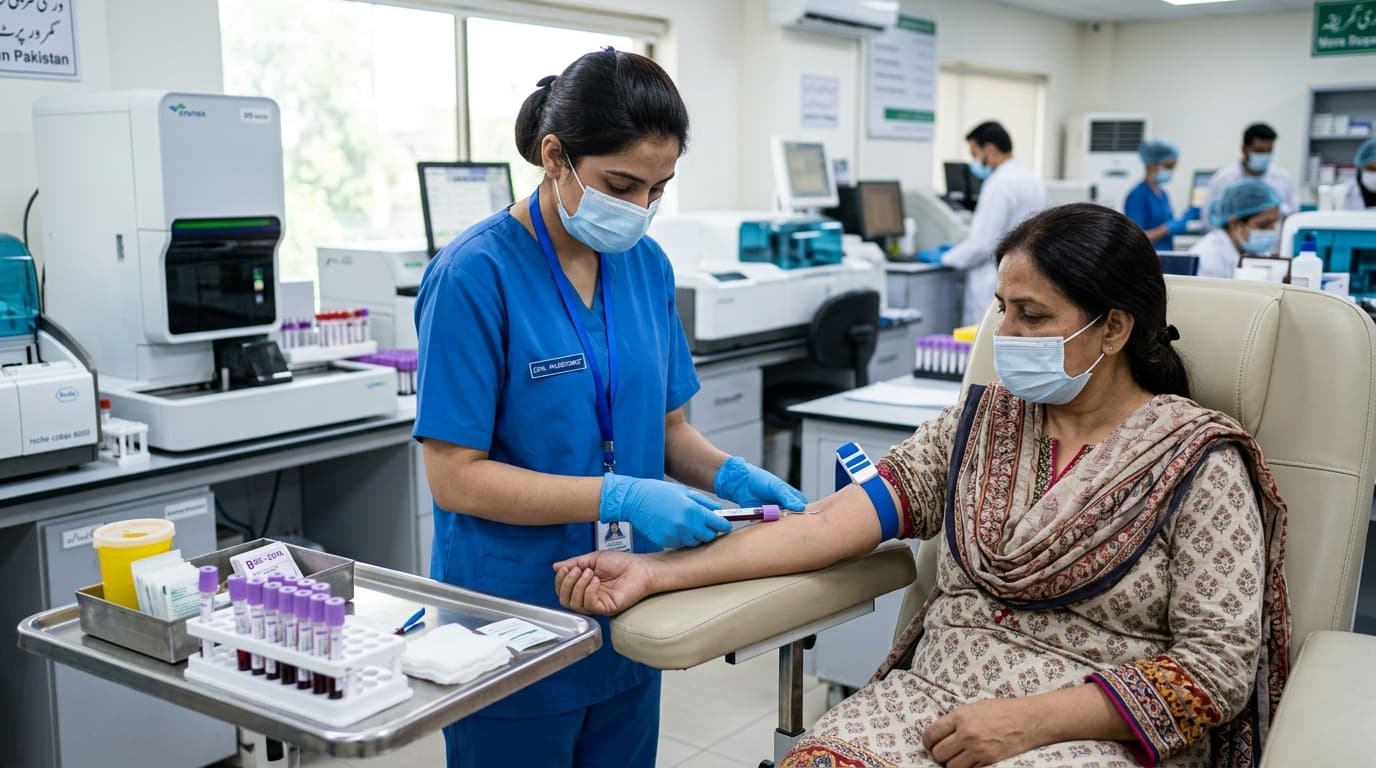
A home blood test allows trained phlebotomists to collect blood samples from the comfort of your home, eliminating the need to visit a diagnostic center. Proper preparation before a blood test is essential because factors such as fasting, hydration, medications, and physical activity can influence laboratory results.
Home sample collection services have transformed preventive healthcare in Pakistan by making diagnostic testing more convenient, accessible, and patient-friendly. Understanding how to prepare before your first blood test helps ensure accurate results and improves your overall healthcare experience.
Why Home Blood Tests Are Becoming Popular in Pakistan
Home blood tests are becoming increasingly popular because they offer convenience, accessibility, and improved patient comfort. Modern healthcare systems are focusing on preventive medicine and digital health technologies that make laboratory testing easier for patients.
Home sample collection services are especially beneficial for elderly individuals, busy professionals, pregnant women, and patients with chronic illnesses.
Increasing Demand for Preventive Healthcare
Preventive healthcare aims to detect diseases early before symptoms become severe.
Routine blood tests help identify:
- Diabetes
- Thyroid disorders
- Vitamin deficiencies
- Liver diseases
- Kidney problems
- High cholesterol
- Hormonal imbalances
Early diagnosis improves treatment outcomes and supports long-term health.
Convenience and Comfort
Many patients prefer blood sample collection at home because it eliminates unnecessary travel and waiting times.
Home testing provides:
- Greater comfort
- Reduced stress
- Flexible scheduling
- Faster access to healthcare services
Convenience encourages individuals to undergo regular health screenings.
Support for Elderly and Chronically Ill Patients
Home sample collection is particularly valuable for:
- Senior citizens
- Individuals with limited mobility
- Patients recovering from surgery
- Pregnant women
- People managing chronic diseases
These services reduce physical strain and improve access to healthcare.
Growth of Digital Healthcare in Pakistan
Digital healthcare platforms and online medical services have expanded significantly across Pakistan.
Modern technologies now allow patients to:
- Book tests online
- Schedule home sample collection
- Receive digital reports
- Consult doctors remotely
- Store medical records securely
These innovations are improving healthcare accessibility nationwide.
What Is a Home Blood Test and How Does It Work?
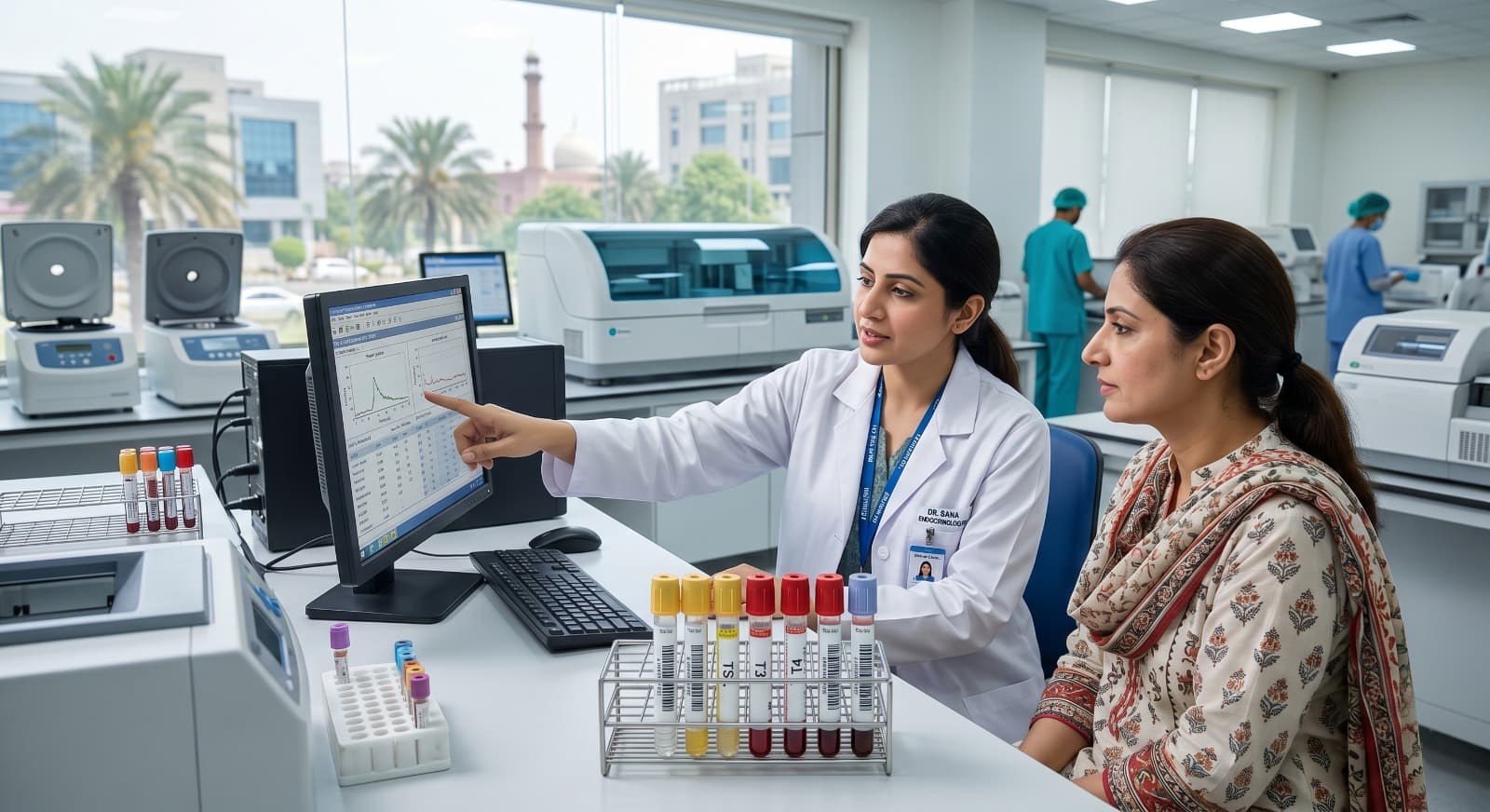
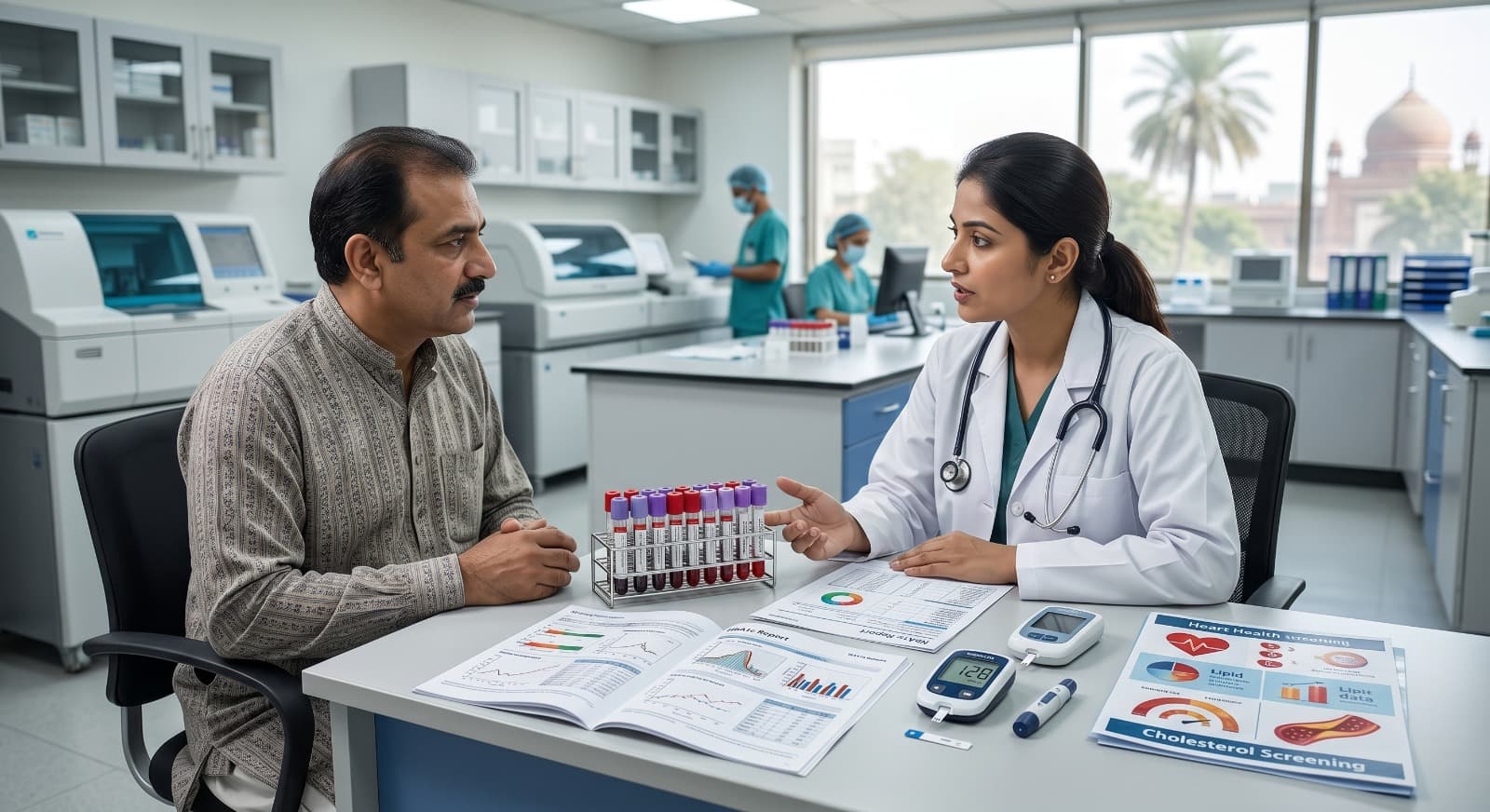
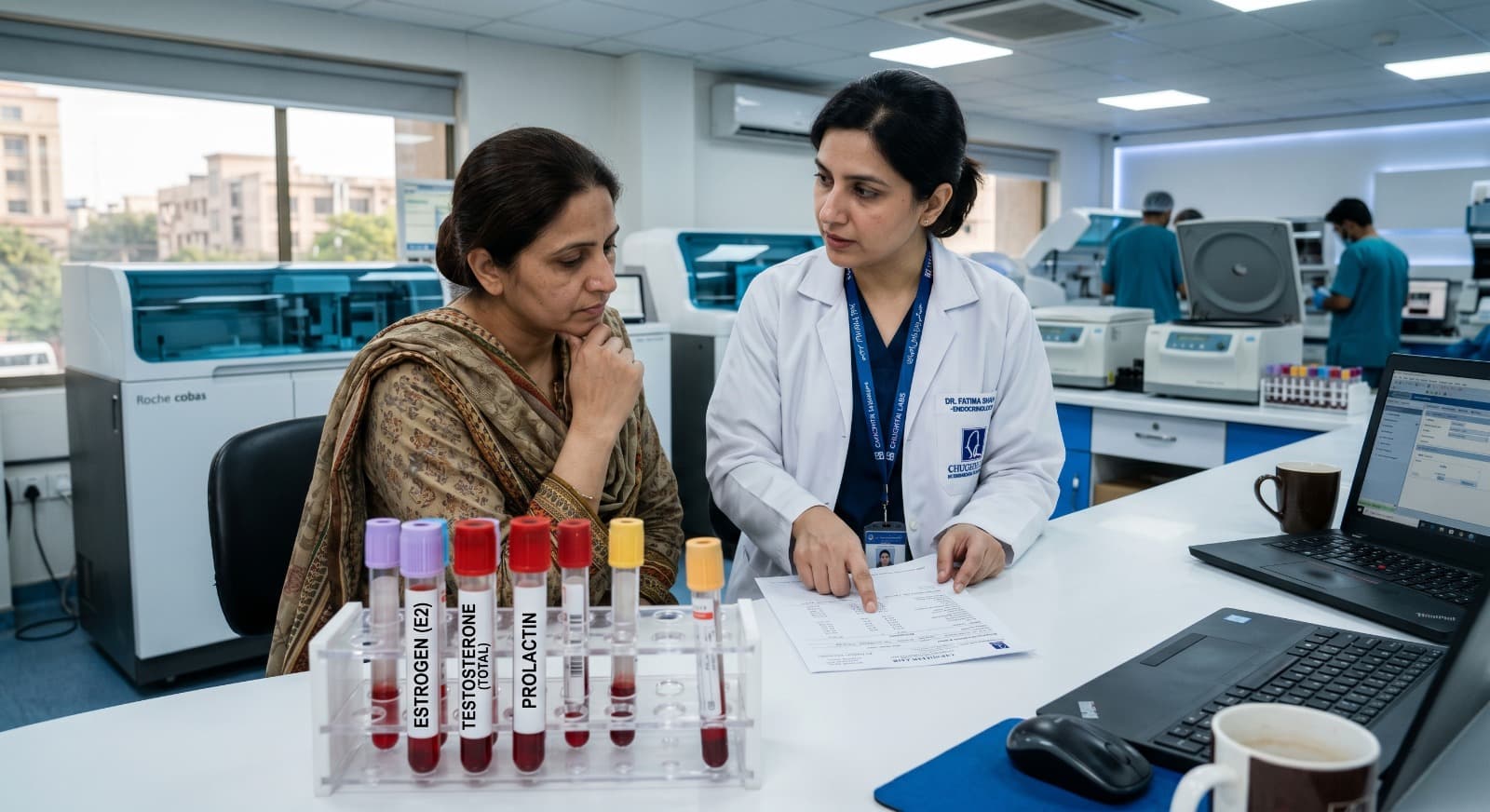
A home blood test involves collecting blood samples at the patient’s home by trained healthcare professionals. The samples are transported to accredited laboratories where they undergo analysis using automated diagnostic systems.
Patients receive their reports digitally, making the process simple and efficient.
Scheduling a Home Sample Collection
Most healthcare platforms allow patients to schedule appointments online or through mobile applications.
The process generally involves:
- Selecting the required tests.
- Choosing a preferred date and time.
- Confirming home address details.
- Waiting for a trained phlebotomist to arrive.
This process helps simplify laboratory testing and improve convenience.
Blood Sample Collection Procedure
Trained professionals follow standardized procedures to ensure patient safety and specimen quality.
The collection process includes:
- Verifying patient identity
- Preparing sterile equipment
- Collecting blood samples
- Labeling specimens correctly
- Transporting samples safely
Strict protocols help maintain diagnostic accuracy.
Transportation and Laboratory Analysis
After collection, samples are transported to quality-controlled laboratories equipped with automated analyzers.
These systems help ensure:
- Accurate testing
- Reduced human error
- Faster processing
- Reliable reporting
Laboratory quality directly affects the accuracy of test results.
Receiving Digital Reports
Most diagnostic centers provide online medical reports.
Digital reporting enables patients to:
- Access results remotely
- Share reports with doctors
- Maintain long-term health records
- Track health trends over time
Electronic reports improve continuity of care and facilitate disease management.
Benefits of Home Sample Collection Services
Home sample collection offers convenience, privacy, and accessibility while maintaining the same laboratory standards used in diagnostic centers. These services are becoming an important component of modern healthcare.
Routine health screenings become easier when testing is available at home.
Saves Time and Reduces Travel
Home blood tests eliminate the need to travel to laboratories and wait in crowded environments.
Patients benefit from:
- Flexible appointments
- Reduced commuting time
- Faster service
- Improved comfort
This convenience is especially valuable for busy individuals.
Greater Comfort and Reduced Anxiety
Many people experience anxiety before blood tests.
Being tested in familiar surroundings often helps reduce stress and improves the overall patient experience.
Home environments provide a more comfortable setting for first-time patients.
Lower Risk of Exposure to Infections
Avoiding crowded healthcare facilities minimizes exposure to infectious diseases.
Home testing services offer a safer alternative for vulnerable individuals, including older adults and pregnant women.
Encourages Regular Health Screenings
Convenient access to diagnostic testing motivates individuals to prioritize preventive healthcare.
Regular blood tests support early detection and better management of chronic diseases.
Why Proper Blood Test Preparation Matters
Proper preparation before a blood test improves the accuracy and reliability of laboratory results. Dietary habits, hydration, medications, and physical activity can all influence test outcomes.
Following instructions provided by healthcare professionals helps avoid inaccurate results and unnecessary repeat testing.
Blood Test Results Can Be Influenced by Daily Activities
Several factors may affect laboratory values.
These include:
- Recent meals
- Exercise
- Smoking
- Alcohol consumption
- Stress
- Dehydration
- Medications
Understanding these factors helps patients prepare effectively.
Accurate Results Lead to Better Medical Decisions
Reliable laboratory results enable healthcare professionals to make informed treatment decisions.
Accurate testing supports:
- Early diagnosis
- Disease monitoring
- Personalized treatment plans
- Better health outcomes
Proper preparation contributes directly to diagnostic accuracy.
Repeat Testing Can Be Avoided
Improper preparation may lead to inaccurate or inconclusive results.
Repeat testing can increase:
- Healthcare costs
- Delays in diagnosis
- Patient anxiety
- Inconvenience
Following preparation guidelines helps minimize these issues.
Understanding Fasting Requirements Before Blood Tests
Some blood tests require fasting to ensure accurate measurements. Fasting means avoiding food and beverages other than water for a specified period before sample collection.
Healthcare providers determine fasting requirements based on the type of test being performed.
Which Blood Tests Require Fasting?
Common fasting blood tests include:
- Fasting Blood Sugar
- HbA1c (in some cases)
- Lipid Profile
- Triglycerides
- Glucose Tolerance Test
Not all blood tests require fasting. Patients should always follow instructions provided by their healthcare provider or diagnostic laboratory.
How Long Should You Fast?
Most fasting blood tests require fasting for 8 to 12 hours.
During fasting:
- Avoid food
- Avoid tea and coffee
- Avoid juices and soft drinks
- Avoid chewing gum
Plain water is usually permitted unless instructed otherwise.
Why Fasting Matters
Eating before certain blood tests can alter glucose, cholesterol, and triglyceride levels.
Fasting helps provide more reliable measurements and improves the accuracy of diagnosis.
What Happens If You Accidentally Eat Before a Blood Test?
If you accidentally eat before a fasting blood test, inform the laboratory or healthcare provider immediately.
Depending on the test involved, the appointment may need to be rescheduled to ensure accurate results.
Being honest about food intake helps avoid misleading laboratory values and unnecessary repeat testing.
Foods and Drinks to Avoid Before a Blood Test
Certain foods and beverages can interfere with laboratory measurements and affect the accuracy of blood test results. Following the instructions provided by your healthcare provider or diagnostic laboratory helps ensure reliable findings.
Preparation requirements vary depending on the type of test being performed.
Avoid Fatty and Heavy Meals Before Fasting Tests
High-fat meals can temporarily increase triglyceride levels and influence lipid profile results.
Patients undergoing fasting blood tests should avoid:
- Fried foods
- Fast food
- Heavy dinners
- Sugary desserts
- High-fat snacks
A balanced meal the night before testing is generally recommended.
Avoid Tea, Coffee, and Soft Drinks During Fasting
Tea, coffee, energy drinks, and soft drinks may affect blood glucose and metabolic parameters.
During fasting periods, avoid:
- Coffee
- Milk tea
- Soft drinks
- Fruit juices
- Energy drinks
Plain water is usually allowed and helps maintain hydration.
Avoid Alcohol Before Blood Tests
Alcohol consumption can affect liver function tests, glucose levels, cholesterol levels, and triglycerides.
Healthcare professionals commonly recommend avoiding alcohol for at least 24 hours before testing to reduce the risk of inaccurate results.
Avoid Smoking Before Sample Collection
Smoking may influence blood pressure, glucose metabolism, and certain blood parameters.
Avoid smoking immediately before blood collection whenever possible, especially if fasting tests are being performed.
Avoid Excessive Sugar Intake
Large amounts of sugar before testing can temporarily elevate blood glucose levels and influence diabetes screening results.
Following dietary instructions improves the reliability of laboratory findings.
Can You Drink Water Before a Blood Test?
Yes, plain water is generally safe and encouraged before most blood tests. Staying hydrated helps improve blood flow and makes vein access easier during sample collection.
Patients should avoid flavored beverages, juices, and caffeinated drinks unless advised otherwise by their healthcare provider.
Why Hydration Matters
Proper hydration supports:
- Easier blood collection
- Better circulation
- Reduced risk of dizziness
- Improved patient comfort
Dehydration can make veins harder to locate and may complicate blood sample collection.
What Beverages Should Be Avoided?
Even during fasting, certain drinks should be avoided.
These include:
- Tea
- Coffee
- Milk
- Energy drinks
- Soft drinks
- Fruit juices
Plain water remains the safest option.
Can You Drink Water During an Overnight Fast?
Yes. Drinking water during overnight fasting is generally acceptable and does not interfere with most fasting blood tests.
Adequate hydration can help ensure smoother sample collection and improve patient comfort.
Medications and Supplements You Should Discuss Before Testing
Certain medications and supplements can affect laboratory values and influence blood test interpretation. Patients should always inform healthcare professionals about prescription medications, over-the-counter drugs, vitamins, and herbal products they are using.
Never stop prescribed medications without consulting a healthcare provider.
Why Medication Disclosure Is Important
Some medications may alter:
- Blood glucose levels
- Cholesterol levels
- Hormone concentrations
- Liver enzymes
- Kidney function markers
Providing complete information helps physicians interpret results correctly.
Common Medications That May Affect Blood Tests
Examples include:
- Steroids
- Thyroid medications
- Diabetes medications
- Blood pressure medicines
- Antibiotics
- Anticoagulants
Healthcare professionals may advise specific timing adjustments before testing.
Herbal Supplements and Vitamins
Many people underestimate the effects of supplements on laboratory results.
Common products that should be disclosed include:
- Vitamin D supplements
- Iron tablets
- Biotin
- Multivitamins
- Herbal remedies
Sharing this information improves diagnostic accuracy.
Should You Take Morning Medicines Before a Blood Test?
Medication instructions depend on the type of blood test and underlying medical conditions.
Patients should follow the advice provided by:
- Their doctor
- Diagnostic laboratory
- Healthcare provider
Individual recommendations may vary.
How to Prepare Your Home Before Sample Collection
Preparing your home in advance helps ensure a smooth and comfortable blood collection experience. Simple arrangements can improve efficiency and reduce anxiety.
Creating a clean and organized environment benefits both the patient and the healthcare professional.
Choose a Comfortable Seating Area
Select a quiet and comfortable place with adequate lighting.
Suitable locations include:
- Living rooms
- Dining areas
- Study rooms
Comfortable seating helps facilitate safe sample collection.
Keep Identification and Documents Ready
Patients should keep essential documents available before the phlebotomist arrives.
These may include:
- National identity card
- Laboratory requisition form
- Previous reports
- Medication list
Having these items ready helps avoid delays.
Wear Comfortable Clothing
Loose-fitting clothing with sleeves that can be rolled up easily allows quick access to veins.
Comfortable attire simplifies blood collection and improves convenience.
Stay Relaxed and Hydrated
Drinking water and remaining calm before the procedure may help improve vein visibility and reduce discomfort.
Relaxation contributes to a better overall experience.
What Happens During a Home Blood Test?
Home blood sample collection follows standardized medical procedures designed to ensure safety and accuracy. The process is usually quick and takes only a few minutes.
Trained healthcare professionals adhere to strict infection-control protocols.
Identity Verification
Before sample collection, the healthcare professional verifies the patient’s identity and confirms the requested tests.
This step ensures:
- Correct specimen labeling
- Patient safety
- Accurate reporting
Proper identification reduces laboratory errors.
Sterile Equipment and Safety Measures
Single-use sterile needles and collection tubes are used for every patient.
Healthcare professionals follow infection-control practices to maintain safety and specimen quality.
Blood Sample Collection
The healthcare professional identifies a suitable vein and collects the required blood samples.
Most patients experience only mild discomfort, and the procedure is generally completed within a few minutes.
Labeling and Transportation
After collection, samples are labeled and transported according to laboratory protocols.
Proper handling preserves specimen quality and supports reliable testing.
Receiving Online Medical Reports
After analysis, patients typically receive digital reports through secure online systems.
Electronic reports allow convenient access and facilitate communication with healthcare providers.
Tips to Reduce Anxiety Before Your First Blood Test
Feeling nervous before a blood test is common. Understanding the procedure and preparing in advance can help reduce anxiety and improve the experience.
Most blood tests are quick, safe, and cause only minimal discomfort.
Learn About the Procedure
Knowing what to expect often reduces fear.
Understanding the collection process helps patients feel more confident and prepared.
Stay Hydrated
Drinking sufficient water before testing improves blood flow and can make sample collection easier.
Hydration also helps reduce dizziness and discomfort.
Practice Relaxation Techniques
Simple relaxation strategies can help calm anxiety.
These include:
- Deep breathing exercises
- Listening to music
- Meditation
- Positive thinking
Stress reduction promotes a more comfortable experience.
Inform the Phlebotomist About Needle Anxiety
Healthcare professionals are experienced in assisting anxious patients.
Informing the phlebotomist about concerns allows them to provide reassurance and adjust techniques to maximize comfort.
Avoid Looking at the Needle
Many individuals find that looking away during blood collection helps reduce stress and discomfort.
Distraction techniques can improve the overall experience.
Bring Support if Necessary
Some patients feel more comfortable with a trusted family member present.
Emotional support can help first-time patients feel more relaxed and confident.
Common Mistakes That Can Affect Blood Test Results
Several everyday factors can influence blood test results and potentially lead to inaccurate findings. Proper preparation and following laboratory instructions help minimize errors and reduce the need for repeat testing.
Understanding these common mistakes allows patients to obtain more reliable and meaningful results.
Not Following Fasting Instructions
Failure to follow fasting requirements is one of the most common causes of inaccurate laboratory results.
Eating or drinking beverages other than water before fasting tests can affect:
- Blood glucose levels
- Cholesterol values
- Triglyceride levels
- Metabolic markers
Patients should always confirm fasting requirements with their healthcare provider or laboratory.
Dehydration Before Sample Collection
Insufficient water intake can make veins harder to access and may complicate blood collection.
Dehydration can increase patient discomfort and occasionally affect certain laboratory measurements.
Maintaining proper hydration improves both comfort and specimen quality.
Intense Exercise Before Testing
Strenuous physical activity may temporarily alter several blood parameters.
Heavy exercise before testing can influence:
- Blood sugar levels
- Muscle enzymes
- Electrolyte balance
- Hormonal markers
Avoiding vigorous workouts before blood collection helps ensure more consistent results.
Not Informing Healthcare Providers About Medications
Prescription medications, supplements, and herbal remedies may affect laboratory values.
Providing complete medication information enables healthcare professionals to interpret results more accurately.
Smoking and Alcohol Consumption Before Testing
Smoking and alcohol can interfere with certain blood tests and influence:
- Liver enzymes
- Blood sugar levels
- Cholesterol values
- Triglycerides
Avoiding these substances before testing helps improve reliability.
Poor Sleep and Stress
Stress and inadequate sleep may influence hormones and metabolic parameters.
Getting adequate rest before testing supports more stable physiological conditions and better test accuracy.
Are Home Blood Tests Accurate?
Home blood tests are highly accurate when samples are collected by trained professionals and analyzed by accredited laboratories. The location of sample collection does not affect the quality of testing when proper procedures are followed.
Modern laboratories use automated analyzers and quality assurance systems to ensure reliable results.
Professional Sample Collection Ensures Accuracy
Home sample collection is performed by trained phlebotomists using standardized protocols.
These procedures help maintain:
- Sample integrity
- Patient safety
- Accurate labeling
- Proper transportation
Quality collection techniques contribute directly to diagnostic reliability.
Laboratory Standards Matter More Than Collection Location
Accuracy depends primarily on laboratory quality rather than where blood is collected.
Reliable diagnostic laboratories maintain:
- Automated analyzers
- Quality control systems
- Standard operating procedures
- Experienced personnel
Accredited laboratories provide dependable results regardless of collection setting.
Proper Transportation Preserves Specimen Quality
Blood samples require careful handling during transportation.
Temperature control and timely delivery help preserve specimen stability and support accurate analysis.
Home Blood Tests Support Preventive Healthcare
Home sample collection encourages regular health screenings and early diagnosis.
Timely testing improves disease detection and promotes long-term health management.
Role of AI-Powered Diagnostic Tools and Digital Healthcare
Artificial intelligence and digital health technologies are transforming diagnostic medicine. AI-powered diagnostic tools support laboratory automation, improve quality control, and enhance healthcare accessibility.
Digital innovation is strengthening preventive healthcare across Pakistan.
Artificial Intelligence in Medical Diagnostics
Artificial intelligence in medical diagnostics uses advanced algorithms to analyze laboratory information and identify patterns associated with diseases.
These technologies help healthcare professionals:
- Improve efficiency
- Enhance diagnostic accuracy
- Reduce reporting delays
- Support evidence-based decisions
AI-assisted systems contribute to modern healthcare delivery.
Machine Learning in Healthcare
Machine learning in healthcare enables predictive analysis based on large datasets and clinical trends.
These technologies support:
- Risk assessment
- Disease prediction
- Population health management
- Personalized medicine
Machine learning is expected to play an increasingly important role in future diagnostics.
Automated Disease Detection
Automated disease detection systems improve consistency and reduce human error.
Modern laboratories use automation to ensure:
- Faster testing
- Better quality control
- Standardized procedures
- Reliable results
Automation enhances patient safety and healthcare efficiency.
Digital Health Technologies and Preventive Healthcare
Digital health technologies have simplified healthcare services through:
- Online appointments
- Home sample collection
- Electronic medical records
- Telemedicine consultations
- Remote access to reports
These innovations improve accessibility and patient convenience.
Online Medical Reports and Secure Health Data
Online medical reports provide patients with convenient access to laboratory results while maintaining privacy and security. Digital healthcare systems support continuity of care and facilitate long-term disease management.
Secure health data management is a critical component of modern healthcare.
Benefits of Online Medical Reports
Electronic reports allow patients to:
- Access results remotely
- Share reports with physicians
- Monitor health trends
- Maintain digital records
- Reduce paperwork
Digital access improves healthcare coordination and patient engagement.
Secure Health Data and Encryption
Modern healthcare platforms utilize secure technologies to protect sensitive information.
Security measures commonly include:
- Data encryption
- Password protection
- Secure cloud infrastructure
- Controlled access systems
These practices help maintain patient confidentiality.
Long-Term Digital Medical Records
Digital records support continuity of care and help healthcare professionals monitor disease progression over time.
Maintaining a lifelong health history improves medical decision-making and reduces unnecessary repeat testing.
Home Blood Collection Services in Pakistan
Home blood collection services are expanding rapidly in Pakistan due to increasing demand for convenient healthcare solutions. Digital healthcare platforms and diagnostic laboratories now provide accessible home sample collection across major cities.
These services support preventive healthcare and improve patient experience.
Diagnostic Centers in Lahore, Karachi, and Islamabad
Patients in major cities have access to home sample collection through reputable laboratory networks.
Services are widely available in:
- Lahore
- Karachi
- Islamabad
- Rawalpindi
- Faisalabad
- Multan
Expanding healthcare infrastructure is improving access to diagnostic services nationwide.
Advantages of Home Laboratory Services
Home testing offers several benefits:
- Convenience
- Reduced travel
- Flexible scheduling
- Enhanced comfort
- Increased privacy
These advantages encourage regular health screenings and early disease detection.
Growth of Digital Healthcare Platforms
Digital healthcare platforms have transformed how patients access diagnostic services.
Patients can now:
- Book tests online
- Schedule home visits
- Receive online reports
- Maintain digital records
- Consult doctors remotely
These innovations contribute to a more connected healthcare system.
How Zunf Medicare Simplifies Home Blood Testing
Zunf Medicare helps patients access reliable home blood testing services through integrated laboratory networks, secure digital records, and healthcare technology solutions. The platform simplifies diagnostic testing and supports preventive healthcare.
Patients can manage their health journey more efficiently through a connected healthcare ecosystem.
Easy Online Test Booking
Online scheduling enables patients to book laboratory tests quickly and conveniently.
Digital booking systems provide:
- Flexible appointments
- Convenient scheduling
- Faster access to services
- Improved patient experience
Simple booking processes encourage regular health monitoring.
Home Sample Collection Services
Professional home sample collection allows patients to undergo testing without visiting diagnostic centers.
This service benefits:
- Elderly individuals
- Busy professionals
- Pregnant women
- Patients with chronic illnesses
- Individuals with limited mobility
Convenient testing improves healthcare accessibility.
Secure Lifetime Digital Records
Digital medical records enable long-term storage of health information.
Patients can:
- Retrieve reports anytime
- Track health trends
- Share records with physicians
- Improve continuity of care
Secure digital systems support better healthcare outcomes.
PMDC-Verified Doctor Consultations
Access to PMDC-verified doctors helps patients understand laboratory results and receive appropriate medical guidance.
Professional consultations support:
- Accurate diagnosis
- Treatment planning
- Follow-up monitoring
- Preventive healthcare
Expert guidance contributes to improved long-term health.
Personalized Preventive Healthcare
Preventive healthcare focuses on early detection and risk reduction.
Routine blood tests combined with healthy lifestyle habits support:
- Disease prevention
- Timely diagnosis
- Better treatment outcomes
- Improved quality of life
Preventive medicine remains one of the most effective strategies for maintaining health.
Expert Tips for First-Time Patients
Preparing properly before your first home blood test can improve accuracy and make the experience more comfortable. Simple habits and practical planning help reduce stress and ensure smooth sample collection.
Being informed allows patients to approach the procedure with confidence.
Confirm Whether Fasting Is Required
Different blood tests have different preparation requirements.
Before your appointment:
- Confirm fasting instructions.
- Ask about medication timing.
- Verify appointment details.
- Follow laboratory recommendations carefully.
Following instructions helps prevent repeat testing.
Drink Enough Water
Hydration improves blood flow and makes veins easier to locate.
Adequate water intake may help:
- Reduce dizziness
- Improve comfort
- Facilitate blood collection
- Shorten collection time
Plain water is usually encouraged unless otherwise instructed.
Sleep Well the Night Before
Poor sleep and stress can affect several physiological parameters.
Getting adequate rest helps support:
- Hormonal balance
- Stable blood pressure
- Reduced anxiety
- Overall wellbeing
Proper rest contributes to a smoother testing experience.
Stay Calm During the Procedure
Blood collection typically takes only a few minutes.
Simple relaxation techniques may help:
- Deep breathing
- Listening to calming music
- Looking away from the needle
- Staying seated comfortably
Most patients experience only minimal discomfort.
Maintain Long-Term Health Records
Preserving laboratory reports allows healthcare professionals to track trends over time.
Long-term records support:
- Early diagnosis
- Disease monitoring
- Better treatment decisions
- Improved continuity of care
Digital medical records simplify health management.
Frequently Asked Questions
How do I prepare for my first blood test at home?
Follow your laboratory’s instructions regarding fasting, medications, hydration, and appointment timing. Proper preparation helps ensure accurate results.
Do all blood tests require fasting?
No. Only certain tests, such as fasting blood sugar and lipid profiles, typically require fasting. Your healthcare provider will advise you accordingly.
Can I drink water before a blood test?
Yes. Plain water is usually encouraged because hydration helps facilitate blood collection and does not interfere with most fasting tests.
Can I brush my teeth before a fasting blood test?
Brushing your teeth is generally acceptable. Avoid swallowing toothpaste and follow instructions provided by your laboratory.
Can I drink tea or coffee before a blood test?
Tea and coffee should usually be avoided during fasting because they may influence metabolic parameters and interfere with certain tests.
Should I stop taking medications before testing?
Never discontinue medications without medical advice. Inform your healthcare provider and laboratory about all medicines and supplements you are taking.
Can vitamins and supplements affect blood test results?
Yes. Certain vitamins and supplements, including biotin, may influence laboratory values. Always disclose their use before testing.
What should I wear during home sample collection?
Wear loose-fitting clothing that allows easy access to your arm. Comfortable clothing helps simplify the procedure.
How long does a home blood test take?
The blood collection process usually takes only a few minutes. Total appointment duration depends on the number of tests being performed.
Is home blood sample collection painful?
Most patients experience only mild discomfort during blood collection. The procedure is quick and generally well tolerated.
What happens after blood collection?
Samples are transported to a diagnostic laboratory for analysis. Patients usually receive reports through secure online systems.
Are home blood tests accurate?
Yes. Home blood tests are highly accurate when samples are collected by trained professionals and analyzed by quality-controlled laboratories.
Can elderly individuals use home blood collection services?
Yes. Home sample collection is particularly beneficial for older adults and individuals with mobility limitations.
Is home sample collection safe?
Yes. Trained healthcare professionals use sterile equipment and follow strict infection-control procedures.
Can I exercise before a blood test?
Strenuous exercise should be avoided before testing because it can affect certain laboratory values.
Does dehydration affect blood tests?
Yes. Dehydration can make veins difficult to locate and may influence some laboratory measurements.
Can stress affect blood test results?
Stress may affect hormonal and metabolic parameters. Remaining calm before testing can help improve the overall experience.
Are online medical reports secure?
Modern digital healthcare systems use encrypted technologies and secure infrastructure to protect patient information.
How quickly are blood test reports available?
Turnaround time varies depending on the tests performed and laboratory protocols. Many routine reports become available within 24 hours.
Can home blood tests detect chronic diseases?
Yes. Blood tests help detect and monitor several chronic conditions, including:
- Diabetes
- Thyroid disorders
- Liver disease
- Kidney disease
- High cholesterol
- Vitamin deficiencies
Is home blood testing available across Pakistan?
Yes. Home sample collection services are available in many cities including Lahore, Karachi, Islamabad, Rawalpindi, Faisalabad, and Multan.
Why are routine blood tests important?
Routine blood tests support preventive healthcare by identifying abnormalities before symptoms become severe. Early diagnosis improves treatment outcomes and promotes long-term wellbeing.