5 Essential Lab Tests Every Pakistani Woman Needs (And Why They Matter)
Women’s health needs change throughout life, from adolescence and pregnancy to menopause and healthy aging. Hormonal changes, nutritional deficiencies, lifestyle factors, and chronic diseases can affect overall wellbeing, making preventive healthcare more important than ever.
Routine laboratory testing helps detect health problems early, often before symptoms appear. Early diagnosis allows timely treatment, prevents complications, and supports long-term health. Here are five essential lab tests every Pakistani woman should consider and why they matter.
Why Preventive Health Screenings Matter for Women
Many conditions affecting women develop silently. Iron deficiency, thyroid disorders, diabetes, and vitamin deficiencies may progress for years before causing obvious symptoms.
Regular laboratory testing helps:
- Detect diseases early
- Monitor overall health
- Prevent long-term complications
- Support healthy pregnancies
- Improve quality of life
Preventive healthcare allows women to take control of their health and make informed medical decisions.
Complete Blood Count (CBC): A Window Into Overall Health
A Complete Blood Count (CBC) is one of the most important screening tests for women. It evaluates red blood cells, white blood cells, hemoglobin, and platelets.
CBC testing helps identify several common health conditions.
Why CBC Is Important for Pakistani Women
Women are more susceptible to anemia because of:
- Menstrual blood loss
- Pregnancy
- Nutritional deficiencies
- Iron deficiency
Low hemoglobin levels can cause:
- Fatigue
- Weakness
- Shortness of breath
- Dizziness
- Difficulty concentrating
Early detection allows proper treatment and prevents complications.
Conditions CBC Can Detect
CBC testing may help identify:
- Iron deficiency anemia
- Vitamin B12 deficiency
- Infections
- Inflammatory conditions
- Blood disorders
Routine CBC screening is particularly important during pregnancy and reproductive years.
When Women Should Consider CBC Testing
CBC testing is beneficial for women experiencing:
- Persistent fatigue
- Heavy menstrual bleeding
- Frequent infections
- Weakness
- Pregnancy-related monitoring
Thyroid Function Test: Protecting Hormonal Health
Thyroid disorders are extremely common among women and often remain undiagnosed. The thyroid gland regulates metabolism, energy production, mood, and reproductive health.
Early diagnosis helps prevent complications and improves quality of life.
Symptoms That May Indicate Thyroid Problems
Women should consider thyroid testing if they experience:
- Weight gain
- Fatigue
- Hair loss
- Dry skin
- Anxiety
- Depression
- Irregular periods
- Difficulty conceiving
These symptoms may indicate hormonal imbalance.
Which Tests Are Included?
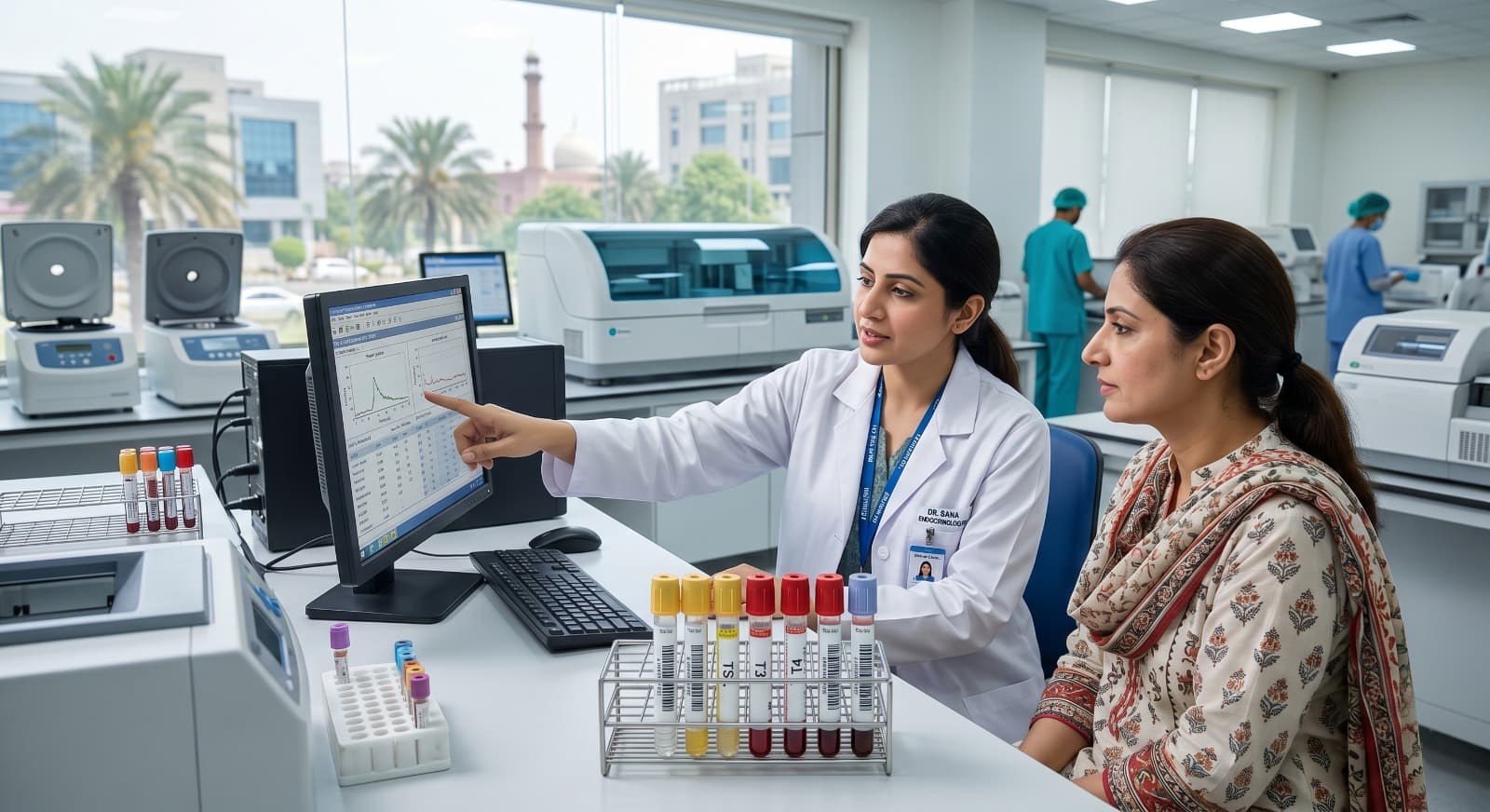
Thyroid evaluation typically includes:
- TSH
- Free T3
- Free T4
These tests help diagnose:
- Hypothyroidism
- Hyperthyroidism
- Thyroid hormone imbalance
Why Thyroid Testing Matters
Untreated thyroid disorders may affect:
- Fertility
- Pregnancy
- Cholesterol levels
- Heart health
- Mental wellbeing
Regular thyroid screening supports hormonal and reproductive health.
Vitamin D Test: One of the Most Overlooked Tests
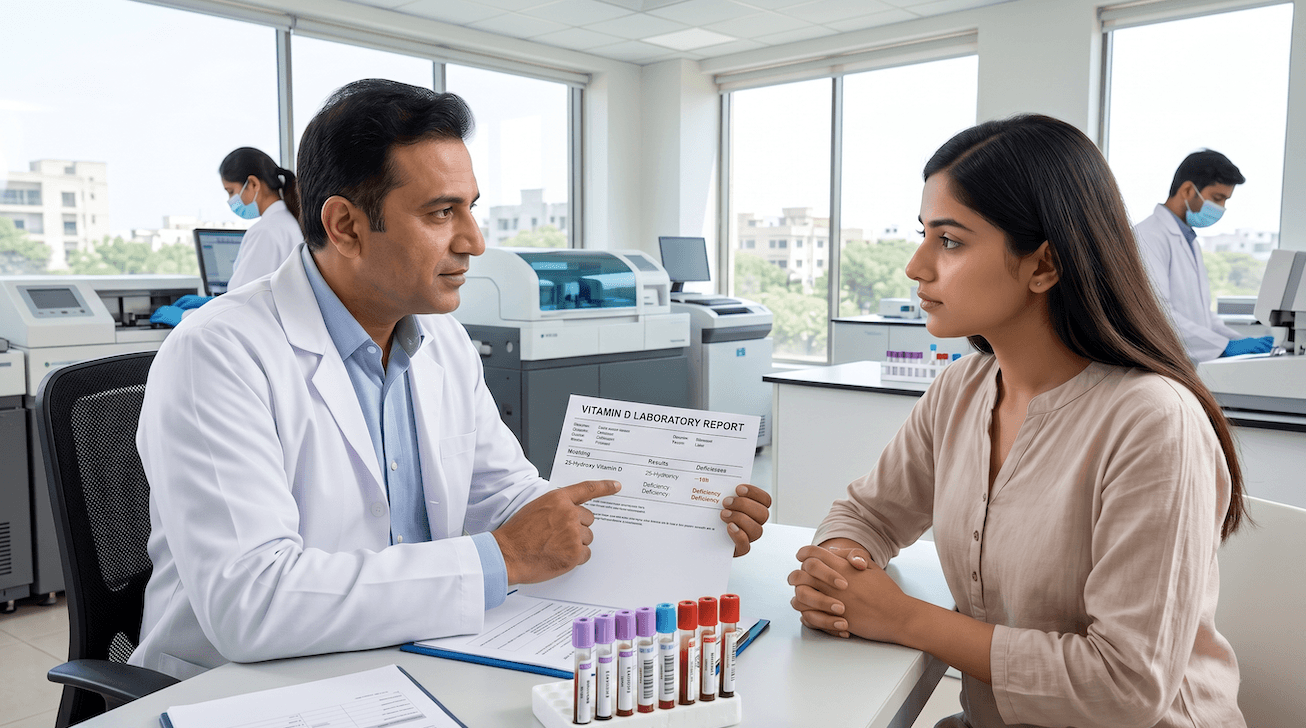
Vitamin D deficiency is widespread among Pakistani women and often goes unnoticed. Limited sun exposure, dietary habits, and lifestyle factors contribute to low vitamin D levels.
Vitamin D plays a vital role in:
- Bone health
- Immune function
- Muscle strength
- Hormonal balance
Symptoms of Vitamin D Deficiency
Common symptoms include:
- Fatigue
- Bone pain
- Muscle weakness
- Mood changes
- Frequent infections
Many women mistake these symptoms for stress or exhaustion.
Why Pakistani Women Are at Higher Risk
Risk factors include:
- Limited sunlight exposure
- Indoor lifestyles
- Pregnancy
- Breastfeeding
- Nutritional deficiencies
Vitamin D deficiency can affect women at every stage of life.
Importance During Pregnancy and Menopause
Adequate vitamin D levels support:
- Healthy bones
- Fetal development
- Immune health
- Reduced fracture risk
Routine testing helps maintain long-term wellbeing.
HbA1c Test: Detecting Diabetes Before Complications Develop
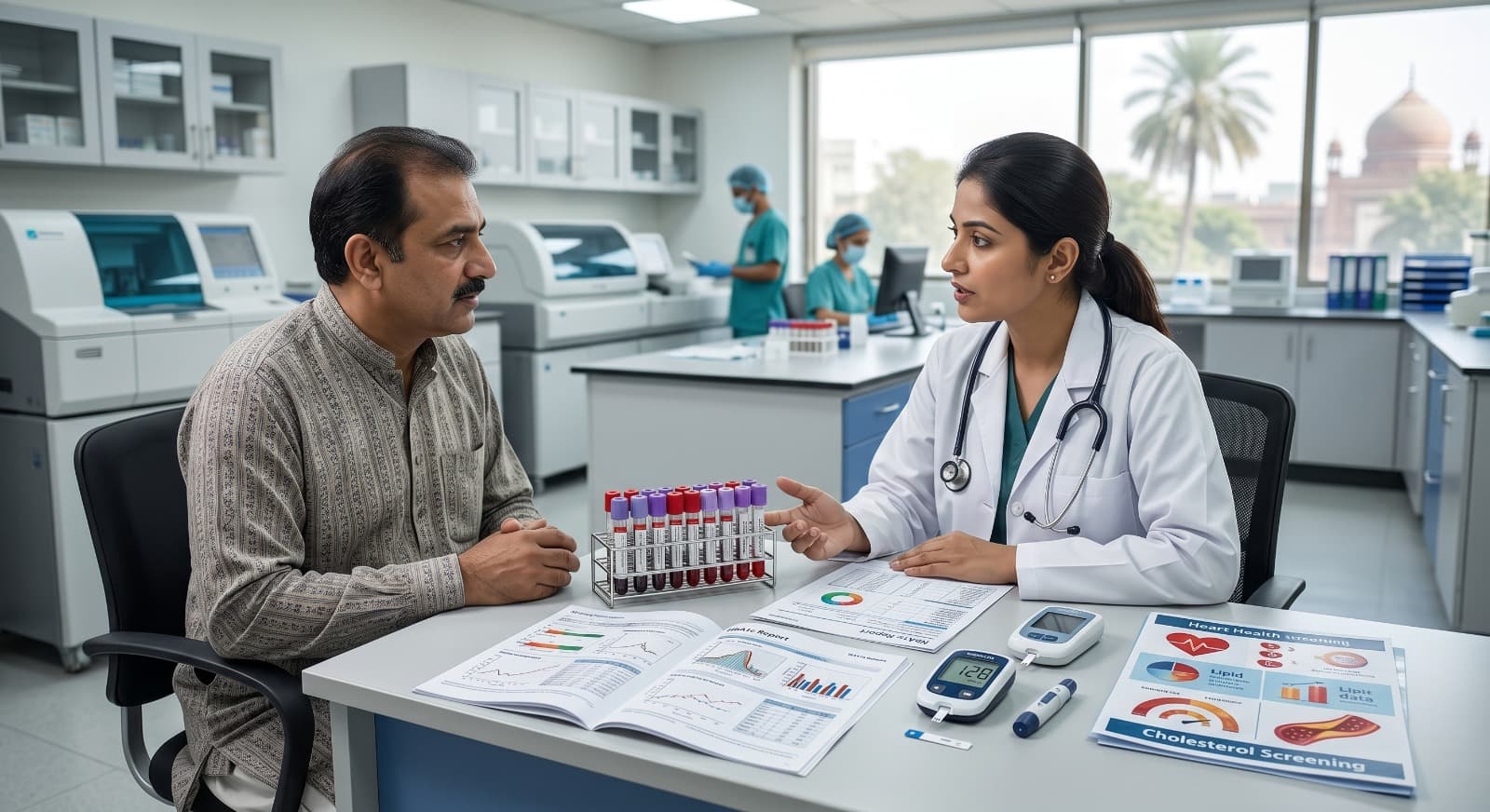
Diabetes is increasing rapidly in Pakistan, and women with obesity, family history, or hormonal disorders such as PCOS have a higher risk of developing type 2 diabetes.
HbA1c testing measures average blood sugar levels over the previous two to three months.
Why HbA1c Testing Is Important
HbA1c testing helps:
- Diagnose diabetes
- Identify prediabetes
- Monitor blood sugar control
- Reduce long-term complications
Early intervention significantly improves outcomes.
Risk Factors for Diabetes
Women with the following conditions should undergo regular screening:
- PCOS
- Obesity
- Family history of diabetes
- Pregnancy
- High blood pressure
Complications of Uncontrolled Diabetes
Poor blood sugar control increases the risk of:
- Kidney disease
- Heart disease
- Vision problems
- Stroke
- Nerve damage
Routine HbA1c testing supports preventive healthcare.
Lipid Profile: Protecting Heart Health
Heart disease is often considered a male problem, but cardiovascular disease is one of the leading causes of death among women worldwide.
A lipid profile evaluates cholesterol levels and helps assess cardiovascular risk.
What Does a Lipid Profile Measure?
A lipid profile includes:
- Total Cholesterol
- LDL Cholesterol
- HDL Cholesterol
- Triglycerides
These values help determine heart health.
Why Women Need Cholesterol Screening
Hormonal changes during menopause can increase cardiovascular risk.
High cholesterol may contribute to:
- Heart attack
- Stroke
- Hypertension
- Coronary artery disease
Regular testing supports early intervention.
Women at Higher Risk
Lipid profile screening is especially important for women with:
- Diabetes
- Obesity
- Family history of heart disease
- High blood pressure
- Sedentary lifestyle
Preventive care reduces cardiovascular complications.
Additional Tests Women Should Consider
Individual health needs vary, and some women may require additional testing depending on age, symptoms, and medical history.
Iron Studies
Iron studies evaluate:
- Serum Iron
- Ferritin
- Transferrin Saturation
These tests help diagnose iron deficiency anemia.
Vitamin B12 Test
Vitamin B12 deficiency may cause:
- Fatigue
- Memory problems
- Weakness
- Tingling sensations
Early diagnosis prevents neurological complications.
Hormone Profile Tests
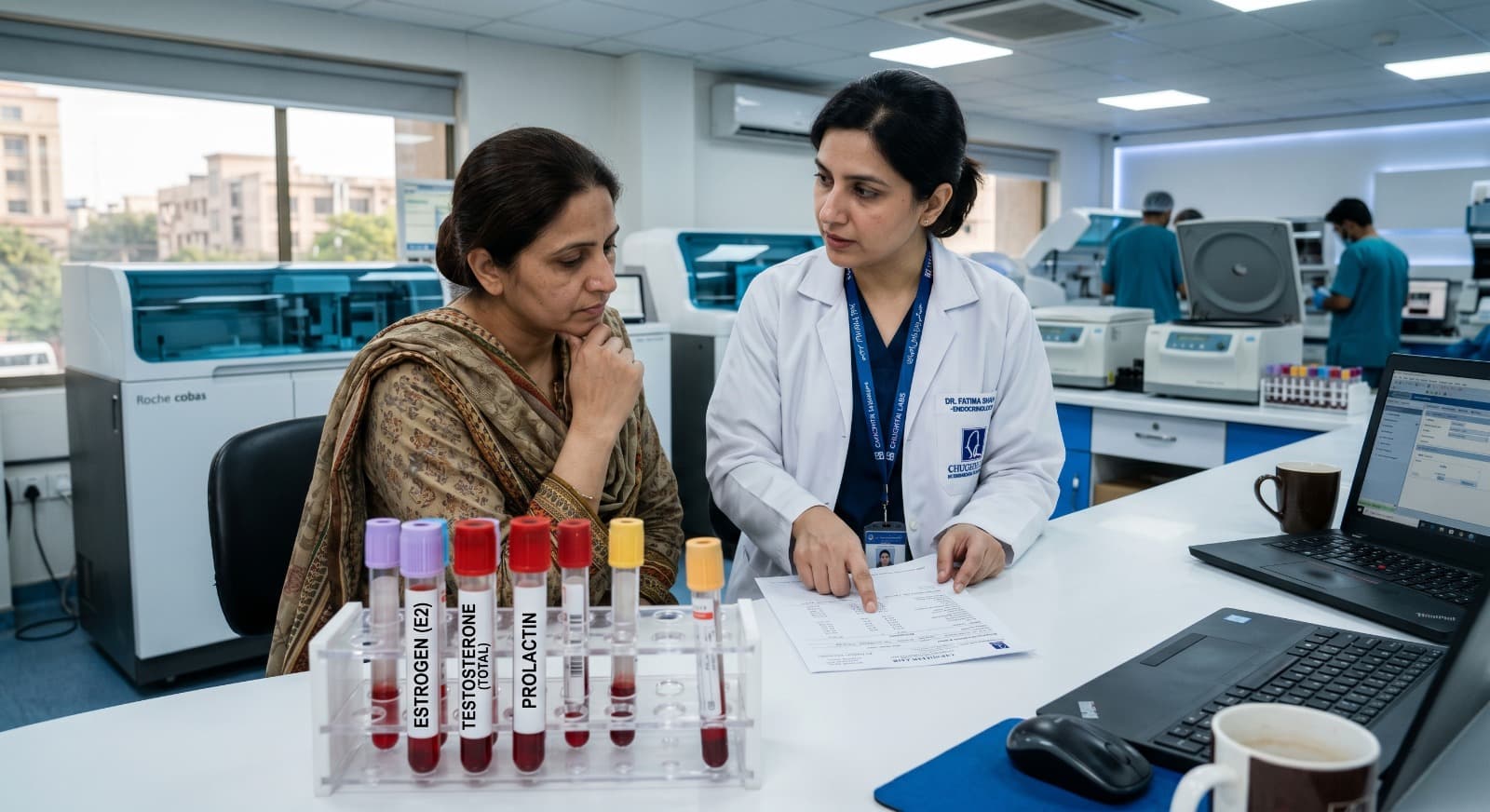
Hormone testing may include:
- LH
- FSH
- Testosterone
- Prolactin
These tests help evaluate fertility and hormonal disorders.
Liver and Kidney Function Tests
Routine monitoring helps assess:
- Liver health
- Kidney function
- Chronic disease risk
These tests are often recommended as part of comprehensive health screening packages.
When Should Women Undergo These Tests?
Testing frequency depends on:
- Age
- Pregnancy status
- Family history
- Existing medical conditions
- Symptoms
- Lifestyle factors
Women with chronic illnesses may require more frequent monitoring.
Women in Their 20s and 30s
Focus should be on:
- CBC
- Thyroid Function Tests
- Vitamin D
- Blood Sugar Monitoring
Early screening supports reproductive and hormonal health.
Women in Their 40s and Beyond
Additional screening may include:
- Lipid Profile
- HbA1c
- Liver Function Tests
- Kidney Function Tests
Regular monitoring helps detect age-related health conditions.
Role of Digital Healthcare and AI-Powered Diagnostic Tools
Modern healthcare technologies are improving disease detection and patient care.
Artificial intelligence and digital health platforms support:
- Faster diagnosis
- Automated disease detection
- Improved laboratory accuracy
- Better quality control
AI-powered diagnostic tools enhance healthcare efficiency and support preventive medicine.
Online Medical Reports and Secure Health Data
Digital healthcare enables women to:
- Access reports online
- Maintain lifelong health records
- Share reports with doctors
- Track health trends
Secure health data systems improve continuity of care and patient convenience.
How Zunf Medicare Supports Women’s Health
Zunf Medicare simplifies preventive healthcare through:
- Home sample collection
- Health screening packages
- Online medical reports
- Secure digital health records
- Teleconsultation with PMDC-verified doctors
These services make healthcare more accessible and convenient for women across Pakistan.
Frequently Asked Questions
Which blood test should every woman have?
A Complete Blood Count (CBC), Thyroid Function Test, Vitamin D Test, HbA1c, and Lipid Profile are among the most important routine tests for women.
Why is thyroid testing important for women?
Women are more prone to thyroid disorders, which can affect metabolism, fertility, mood, and menstrual health.
How often should women get blood tests?
The frequency depends on age, symptoms, family history, and chronic diseases. Annual health screening is generally recommended.
Is Vitamin D deficiency common in Pakistan?
Yes. Vitamin D deficiency is extremely common among Pakistani women because of lifestyle and limited sunlight exposure.
Which tests are important for women with PCOS?
Women with PCOS often benefit from:
- HbA1c
- Thyroid Function Tests
- Lipid Profile
- Hormone Profile
- Vitamin D Testing
Why is HbA1c testing important?
HbA1c helps detect diabetes and prediabetes before serious complications develop.
Conclusion
Preventive healthcare empowers women to detect diseases early and maintain better long-term health. A Complete Blood Count, Thyroid Function Test, Vitamin D Test, HbA1c, and Lipid Profile are among the most valuable laboratory tests for Pakistani women.
Routine screening, healthy lifestyle habits, and timely consultation with qualified healthcare professionals can prevent complications and improve quality of life. Combined with digital healthcare solutions, online medical reports, and teleconsultation services, women can take a proactive approach to protecting their health and wellbeing.