10 Warning Signs Every Woman Should Never Ignore
Women often prioritize the health of their families while overlooking their own symptoms. Many serious conditions develop gradually and may initially present with subtle signs that are easy to dismiss. Persistent fatigue, irregular periods, unexplained weight changes, or unusual pain are not always normal and deserve medical attention.
Early diagnosis and routine health screenings help detect diseases before complications develop. Timely intervention can improve treatment outcomes and support long-term health and wellbeing.
Why Women Should Pay Attention to Early Symptoms
The body often provides warning signs when something is wrong. Ignoring persistent symptoms may delay diagnosis and increase the risk of complications.
Early detection helps:
- Prevent disease progression
- Improve treatment outcomes
- Reduce healthcare costs
- Enhance quality of life
- Support reproductive and hormonal health
Preventive healthcare allows women to take control of their wellbeing and make informed medical decisions.
Persistent Fatigue and Weakness
Feeling tired occasionally is normal, but persistent fatigue and weakness should never be ignored. Chronic tiredness may indicate underlying nutritional deficiencies, hormonal disorders, or chronic diseases.
Iron Deficiency and Anemia
Iron deficiency anemia is one of the most common health problems among Pakistani women.
Common symptoms include:
- Fatigue
- Weakness
- Dizziness
- Shortness of breath
- Pale skin
Heavy menstrual bleeding and pregnancy increase the risk of anemia.
Thyroid Disorders
An underactive thyroid gland may cause:
- Low energy levels
- Weight gain
- Hair loss
- Depression
- Cold intolerance
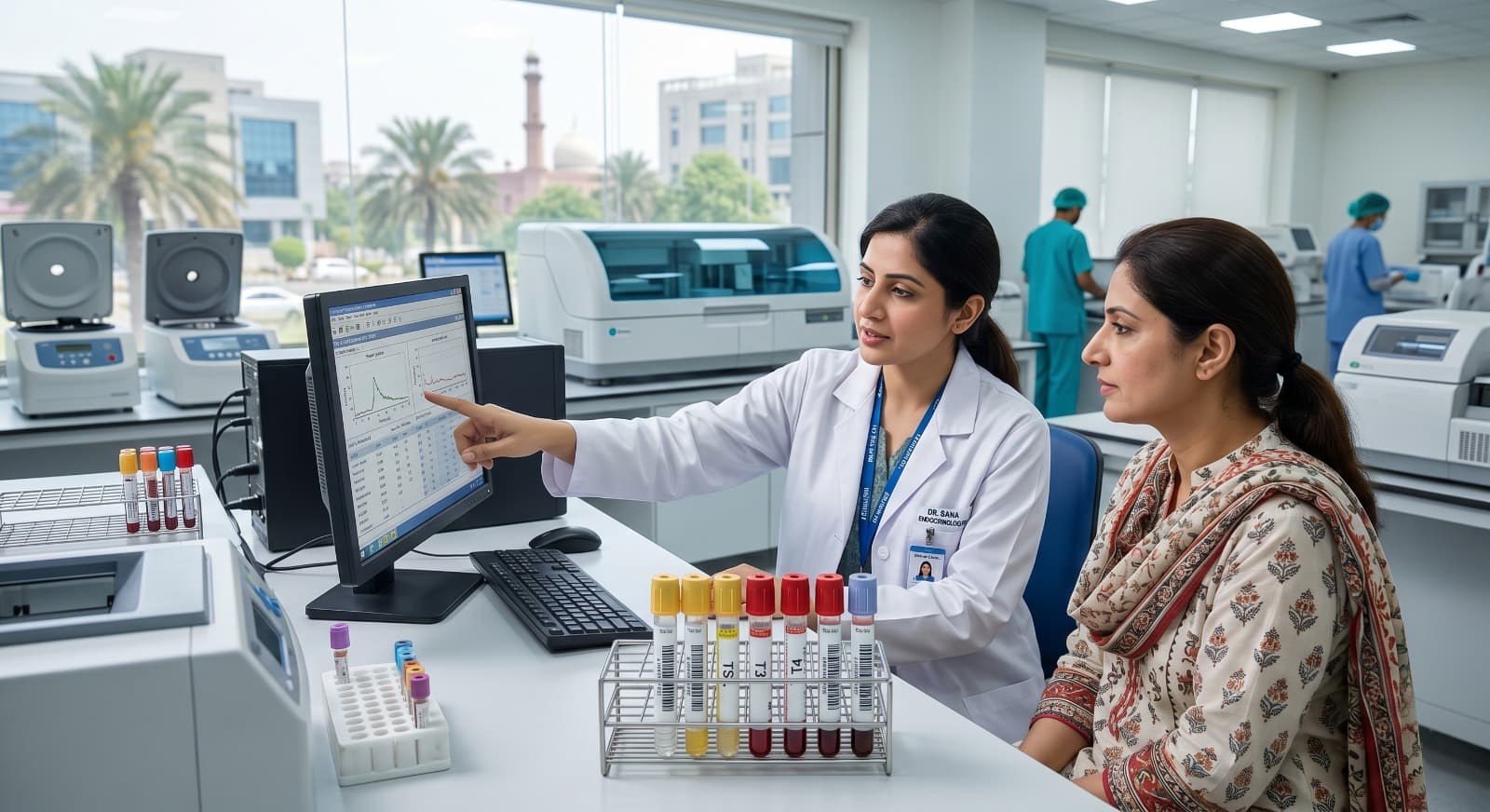
Thyroid Function Tests help identify hormonal imbalances early.
Lab Tests That May Help
Healthcare providers may recommend:
- Complete Blood Count (CBC)
- Iron Studies
- Vitamin B12 Test
- Thyroid Function Test
- Vitamin D Test
Irregular or Missed Periods
Menstrual irregularities are common but should not always be considered normal. Changes in menstrual cycles may indicate hormonal imbalances or reproductive disorders.
Polycystic Ovary Syndrome (PCOS)
PCOS is one of the leading causes of irregular periods and infertility.
Other symptoms may include:
- Weight gain
- Acne
- Hair loss
- Excess facial hair
Early diagnosis improves reproductive health and reduces metabolic complications.
Thyroid Problems
Thyroid hormone abnormalities can disrupt menstrual cycles and affect fertility.
Women experiencing persistent irregularities should undergo hormonal evaluation.
Tests Used for Diagnosis
Doctors may recommend:
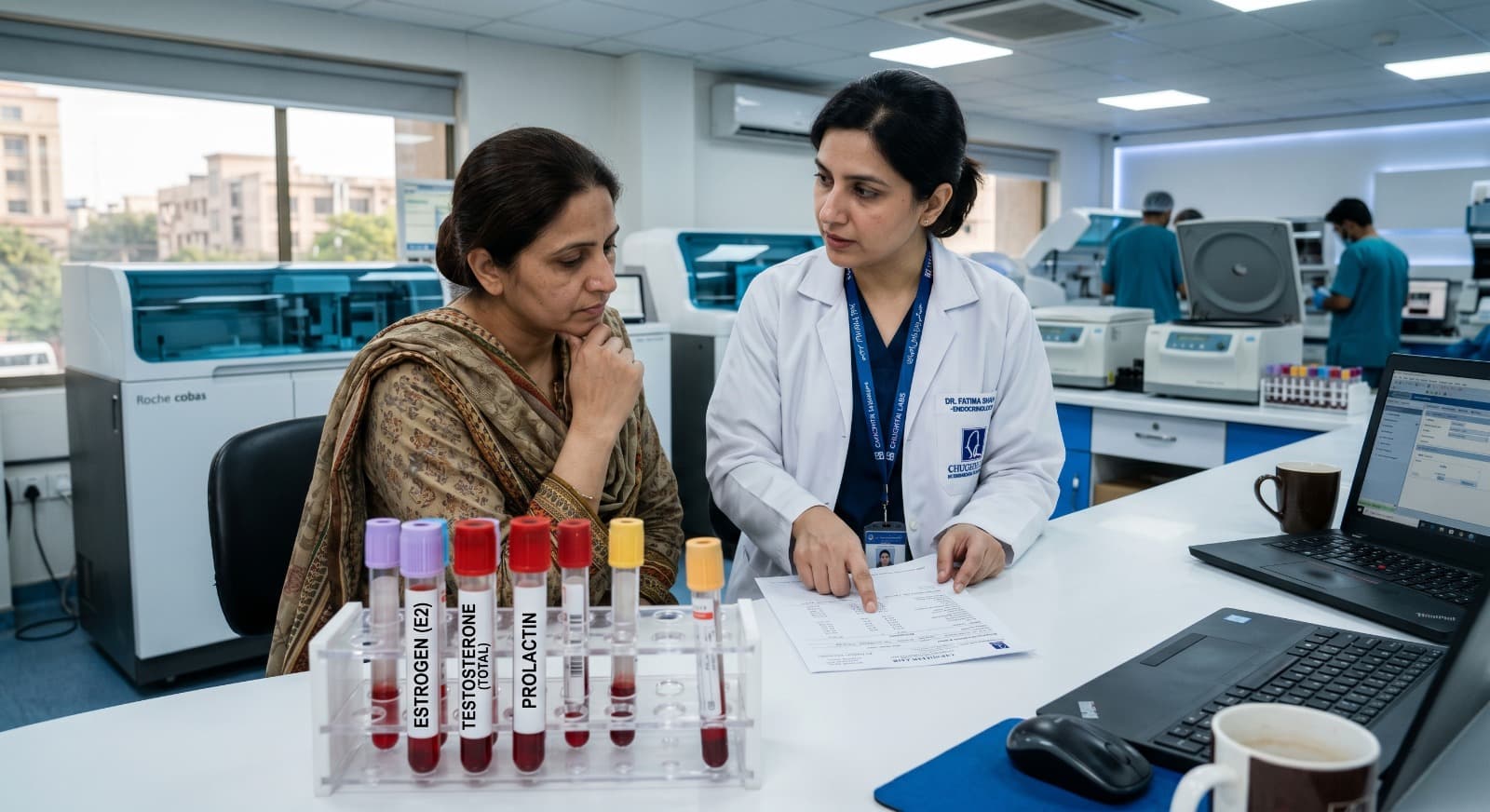
- Hormone Profile
- Thyroid Function Tests
- HbA1c
- Pelvic Ultrasound
Unexplained Weight Gain or Weight Loss
Sudden weight changes may indicate metabolic or hormonal disorders.
Weight Gain and Hormonal Imbalance
Conditions associated with weight gain include:
- PCOS
- Hypothyroidism
- Insulin resistance
These disorders may also affect fertility and cardiovascular health.
Unexpected Weight Loss
Unintentional weight loss may be associated with:
- Hyperthyroidism
- Diabetes
- Chronic illnesses
Persistent weight changes should always be investigated.
Recommended Tests
Diagnostic evaluation may include:
- Thyroid Function Tests
- HbA1c
- Blood Sugar Tests
- Lipid Profile
Breast Changes or Lumps
Any new breast lump or change should be evaluated promptly. Most breast changes are benign, but early detection remains critical.
Warning Signs That Need Medical Attention
Women should consult a doctor if they notice:
- Breast lumps
- Skin dimpling
- Nipple discharge
- Breast pain
- Changes in breast size or shape
Importance of Early Detection
Routine breast examinations and imaging help identify abnormalities early and improve outcomes.
Women should never ignore persistent breast changes.
Excessive Hair Loss
Hair thinning and excessive hair shedding are common complaints among women and may indicate underlying health problems.
Nutritional Deficiencies
Deficiencies of iron, Vitamin D, and Vitamin B12 may contribute to hair loss.
Hormonal Imbalances
Hair loss can also result from:
- PCOS
- Thyroid disorders
- Menopause
Identifying the underlying cause is essential for effective treatment.
Tests That May Help
Doctors may recommend:
- CBC
- Iron Studies
- Vitamin D Test
- Thyroid Function Test
- Hormone Profile
Persistent Pelvic Pain
Pelvic pain should never be ignored, especially when symptoms interfere with daily life.
Conditions Associated With Pelvic Pain
Possible causes include:
- Ovarian cysts
- Endometriosis
- Pelvic inflammatory disease
- Fibroids
Early evaluation improves reproductive health outcomes.
Importance of Timely Diagnosis
Untreated pelvic disorders may affect fertility and quality of life.
Persistent pain warrants professional medical assessment.
Heavy Menstrual Bleeding
Heavy periods can significantly affect physical and emotional wellbeing.
Signs of Abnormal Bleeding
Women should seek medical advice if they experience:
- Excessive bleeding
- Large blood clots
- Severe fatigue
- Dizziness
Heavy bleeding may contribute to iron deficiency anemia.
Diagnostic Tests
Healthcare professionals may recommend:
- CBC
- Iron Studies
- Hormone Profile
- Pelvic Ultrasound
Frequent Urination and Increased Thirst
Frequent urination and excessive thirst are classic warning signs of diabetes and should not be overlooked.
Diabetes Symptoms in Women
Other symptoms may include:
- Fatigue
- Blurred vision
- Increased hunger
- Slow wound healing
Early diagnosis helps prevent serious complications.
Important Blood Tests
Doctors commonly request:
- HbA1c
- Fasting Blood Sugar
- Random Blood Sugar
Routine screening is especially important for women with obesity, PCOS, or a family history of diabetes.
Mood Changes, Anxiety, and Depression
Mental health is closely linked with hormonal and physical health.
Hormonal Causes of Mood Changes
Conditions affecting emotional wellbeing include:
- Thyroid disorders
- Menopause
- PCOS
- Vitamin D deficiency
These conditions may contribute to anxiety and depression.
Why Emotional Health Matters
Mental wellbeing deserves the same attention as physical health. Early intervention can improve quality of life and overall health outcomes.
Shortness of Breath and Chest Pain
Chest pain and breathing difficulties should never be ignored.
Cardiovascular Disease in Women
Women often experience different symptoms compared with men.
Warning signs include:
- Chest discomfort
- Shortness of breath
- Fatigue
- Nausea
- Dizziness
Immediate medical evaluation may be necessary.
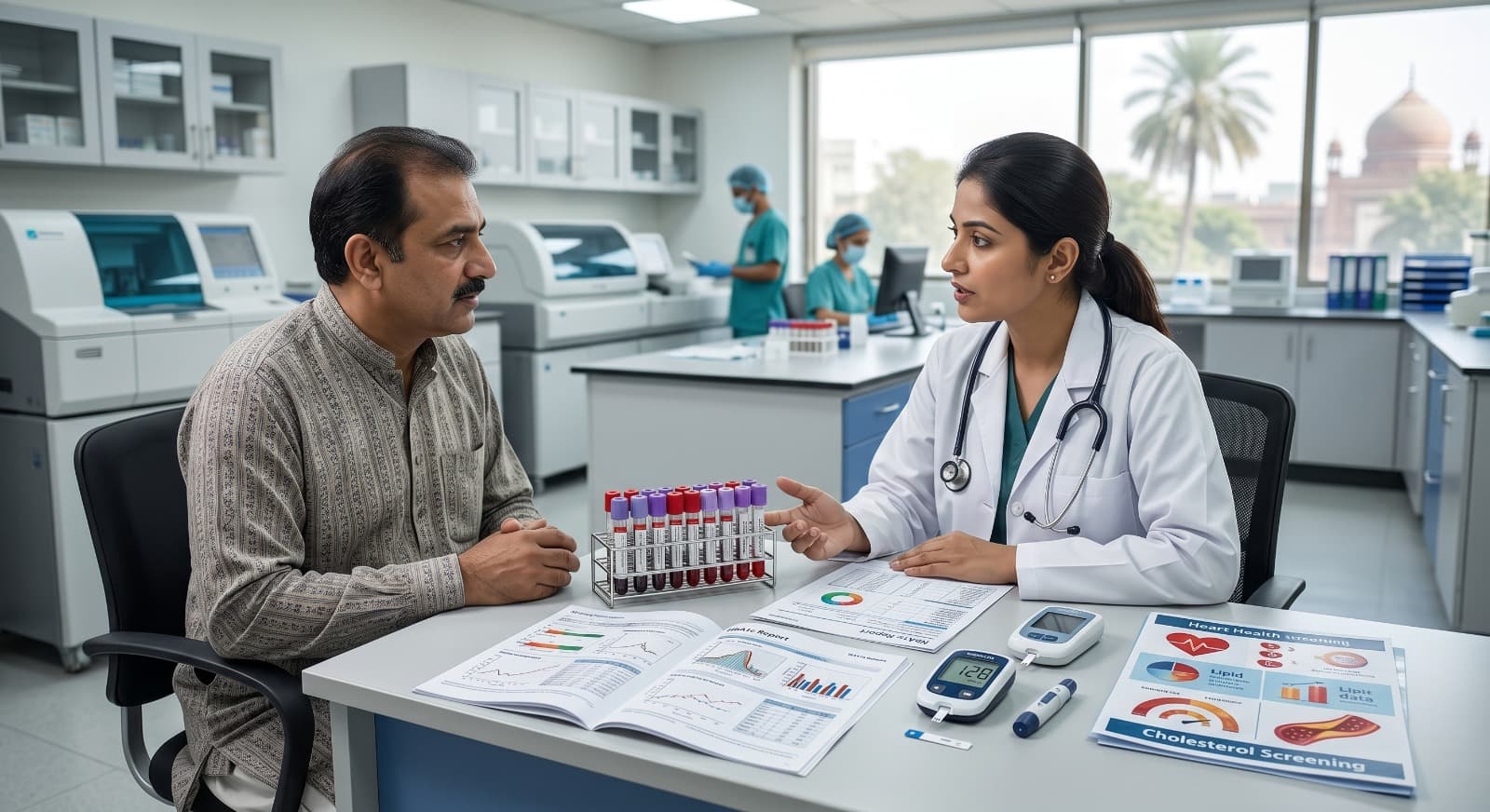
Heart Health Screening
Doctors may recommend:
- Lipid Profile
- Blood Sugar Tests
- Blood Pressure Monitoring
Regular screening helps reduce cardiovascular risk.
Preventive Screenings Every Woman Should Consider
Routine health screening helps identify diseases before symptoms become severe.
Complete Blood Count (CBC)
CBC helps detect:
- Anemia
- Infections
- Blood disorders
Thyroid Function Test
Thyroid screening helps diagnose hormonal abnormalities affecting metabolism and fertility.
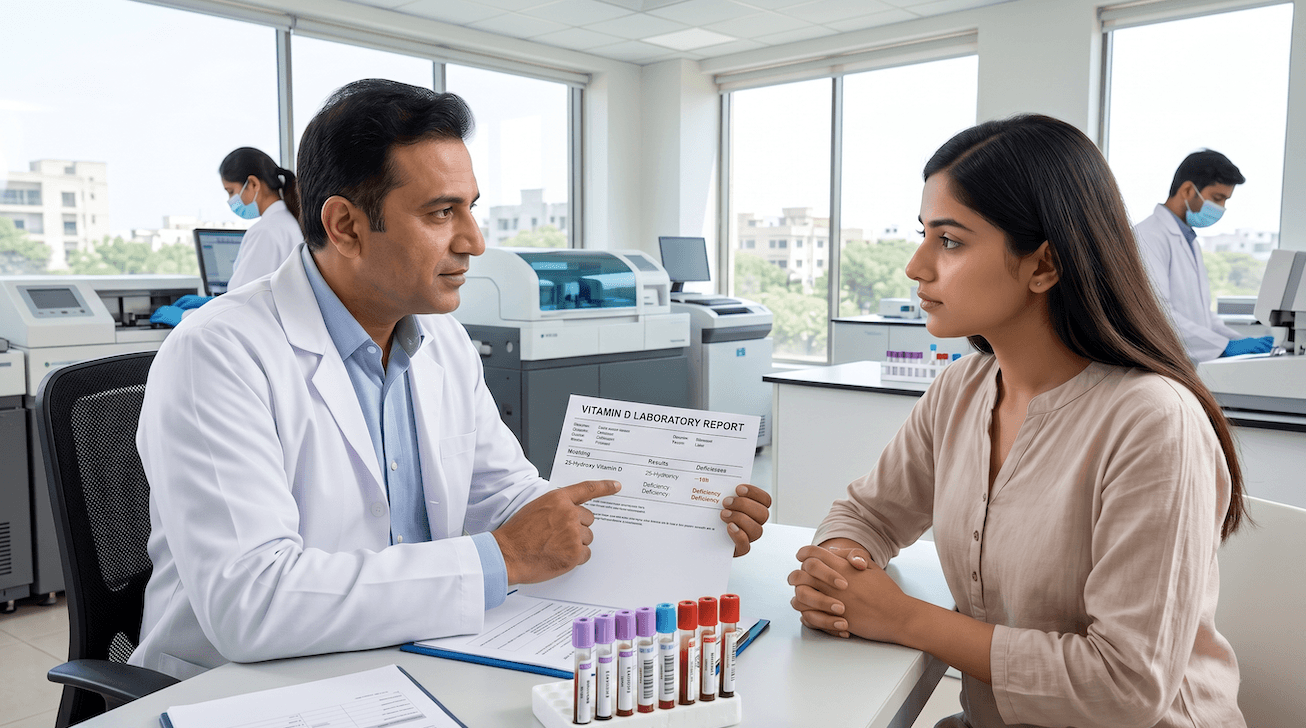
Vitamin D Test
Vitamin D deficiency is extremely common among Pakistani women and affects bone and immune health.
HbA1c Test
HbA1c helps detect diabetes and monitor blood sugar control.
Lipid Profile
Cholesterol testing supports cardiovascular health and preventive care.
Role of Digital Healthcare and AI-Powered Diagnostic Tools
Artificial intelligence in medical diagnostics and digital health technologies are improving preventive healthcare.
Modern healthcare systems support:
- Automated disease detection
- Online medical reports
- Secure health data
- Better quality control
Digital health technologies improve accessibility and continuity of care.
How Zunf Medicare Supports Women’s Health
Zunf Medicare simplifies preventive healthcare through:
- Home sample collection
- Health screening packages
- Online medical reports
- Secure digital health records
- Teleconsultation with PMDC-verified doctors
These services help women access healthcare conveniently and make informed decisions about their wellbeing.