Polycystic Ovary Syndrome (PCOS): Symptoms, Causes, Diagnosis, and Treatment in Pakistan
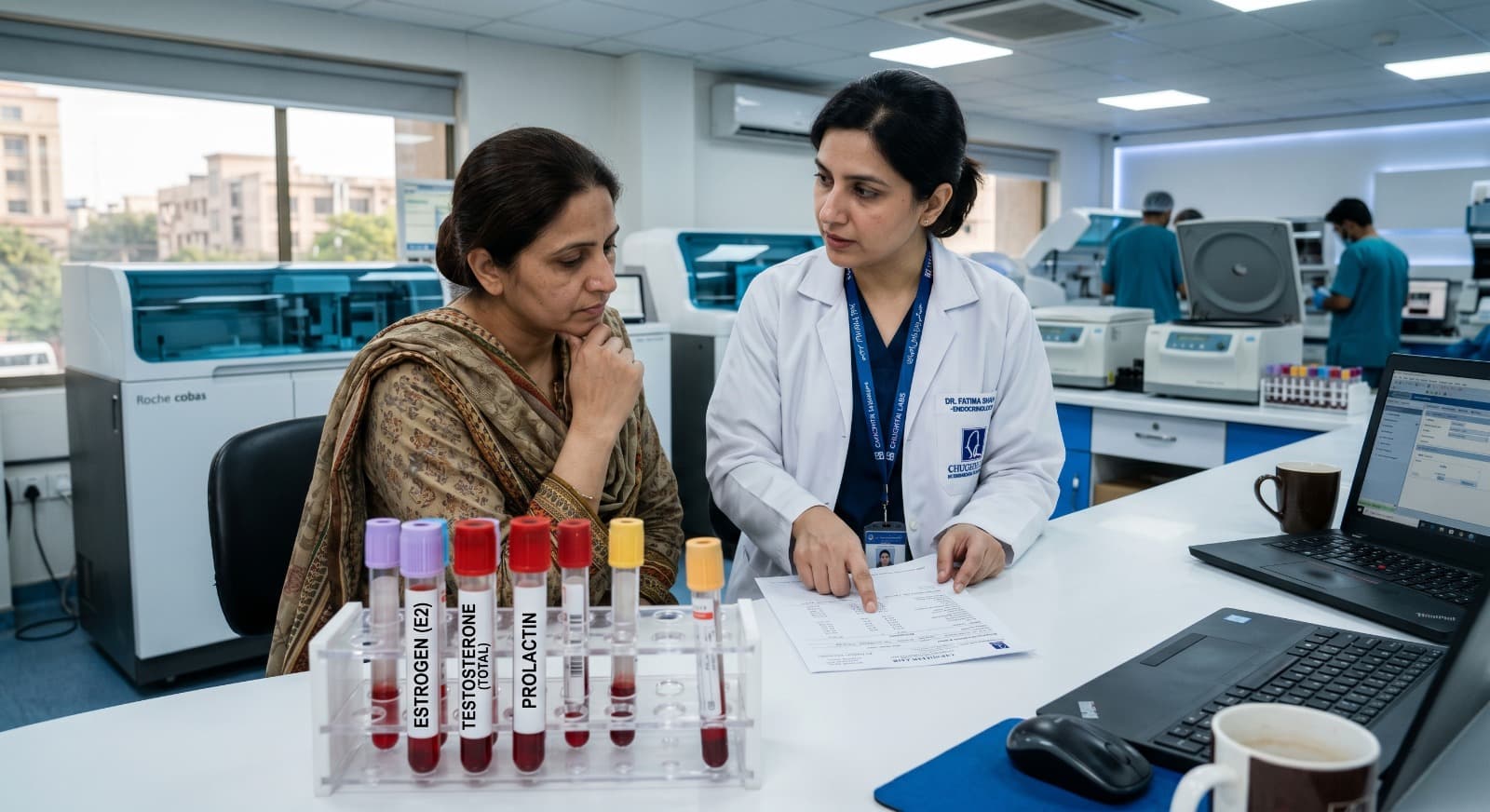
Polycystic Ovary Syndrome (PCOS) is one of the most common hormonal disorders affecting women of reproductive age. It can influence menstrual cycles, fertility, metabolism, and overall health. Early diagnosis and proper management help reduce complications and improve quality of life.
Although PCOS cannot be completely cured, lifestyle modifications, regular monitoring, and medical treatment can help women manage symptoms effectively and maintain reproductive health.
What Is Polycystic Ovary Syndrome (PCOS)?
PCOS is a hormonal condition characterized by irregular ovulation, elevated androgen levels, and multiple small follicles in the ovaries. Not every woman with PCOS develops ovarian cysts, and symptoms may vary considerably.
PCOS affects hormones involved in reproduction and metabolism and may increase the risk of diabetes, obesity, infertility, and cardiovascular disease.
How Common Is PCOS?
PCOS affects millions of women worldwide and is among the leading causes of infertility.
It commonly develops during adolescence or early adulthood and often remains undiagnosed for years.
Why Early Diagnosis Matters
Early diagnosis helps prevent complications such as:
- Type 2 diabetes
- Infertility
- Obesity
- High cholesterol
- High blood pressure
- Endometrial abnormalities
Routine health screenings support early intervention and better long-term outcomes.
Symptoms of PCOS
Symptoms vary from one woman to another. Some women experience mild symptoms, while others may have more significant hormonal disturbances.
Irregular Menstrual Cycles
Irregular periods are one of the most common symptoms of PCOS.
Women may experience:
- Infrequent periods
- Missed periods
- Heavy menstrual bleeding
- Unpredictable cycles
Irregular ovulation often contributes to these changes.
Excess Facial and Body Hair
Elevated androgen levels may cause excessive hair growth on:
- Face
- Chin
- Chest
- Abdomen
This condition is known as hirsutism.
Acne and Oily Skin
Hormonal imbalances can increase oil production and contribute to persistent acne.
Acne associated with PCOS may continue into adulthood.
Hair Thinning and Hair Loss
Some women experience thinning scalp hair or female-pattern hair loss due to increased androgen levels.
Weight Gain and Difficulty Losing Weight
Many women with PCOS develop insulin resistance, which makes weight management more challenging.
Excess weight may worsen hormonal imbalance and symptoms.
Difficulty Becoming Pregnant
Irregular ovulation may interfere with fertility and make conception more difficult.
Many women with PCOS can still become pregnant with proper treatment and medical support.
Causes of PCOS
The exact cause of PCOS remains unclear, but several factors contribute to its development.
Hormonal Imbalances
Women with PCOS often have elevated androgen levels that interfere with ovulation.
These hormonal disturbances contribute to many characteristic symptoms.
Insulin Resistance
Insulin resistance plays a significant role in PCOS and may increase the risk of:
- Type 2 diabetes
- Weight gain
- High cholesterol
Managing insulin resistance improves metabolic health.
Genetic Factors
PCOS tends to run in families, suggesting a genetic component.
Women with a family history of PCOS are more likely to develop the condition.
Chronic Inflammation
Low-grade inflammation may contribute to elevated androgen production and metabolic disturbances.
Inflammation also increases cardiovascular risk.
Risk Factors for PCOS
Several factors increase the likelihood of developing PCOS.
Family History
Women with close relatives affected by PCOS may have an increased risk.
Obesity
Excess body weight may worsen insulin resistance and hormonal imbalance.
Sedentary Lifestyle
Physical inactivity contributes to metabolic abnormalities and weight gain.
Insulin Resistance
Persistent insulin resistance increases the risk of developing PCOS and related complications.
Complications Associated with PCOS
Untreated PCOS may contribute to:
- Infertility
- Type 2 diabetes
- Hypertension
- High cholesterol
- Fatty liver disease
- Sleep apnea
- Cardiovascular disease
- Anxiety and depression
Regular monitoring helps reduce these risks.
How Is PCOS Diagnosed?
PCOS is diagnosed through a combination of medical history, symptoms, physical examination, laboratory testing, and imaging studies. There is no single test that confirms PCOS. Healthcare professionals evaluate multiple factors to establish an accurate diagnosis.
Early diagnosis allows women to manage symptoms and reduce the risk of long-term complications.
Medical History and Symptom Assessment
Doctors often begin by reviewing:
- Menstrual history
- Weight changes
- Fertility concerns
- Family history
- Acne and skin changes
- Excess hair growth
Understanding symptom patterns helps identify hormonal abnormalities associated with PCOS.
Physical Examination
A physical examination may assess:
- Body weight and BMI
- Blood pressure
- Signs of excess androgen levels
- Hair growth patterns
- Skin changes
These findings provide valuable clues regarding hormonal health.
Ultrasound Examination
Pelvic ultrasound helps evaluate ovarian structure and identify multiple small follicles often associated with PCOS.
Ultrasound findings may reveal:
- Enlarged ovaries
- Multiple immature follicles
- Changes consistent with ovulatory dysfunction
Not every woman with PCOS will have visible ovarian cysts.
Laboratory Tests Used to Diagnose PCOS
Laboratory testing plays a critical role in diagnosing PCOS and excluding other conditions that may cause similar symptoms.
Hormonal and metabolic testing provides a more complete understanding of a woman’s health.
Hormone Profile Tests
Hormone testing helps assess reproductive and endocrine function.
Common tests include:
- Testosterone
- Free Testosterone
- LH (Luteinizing Hormone)
- FSH (Follicle Stimulating Hormone)
- Prolactin
- Estradiol
Abnormal hormone levels may support the diagnosis of PCOS.
Thyroid Function Tests
Thyroid disorders can cause symptoms similar to PCOS.
Doctors often request:
- TSH
- Free T3
- Free T4
Normal thyroid function helps rule out alternative causes of menstrual irregularities.
Blood Sugar Testing
Insulin resistance is common in women with PCOS.
Blood glucose testing may include:
- Fasting Blood Sugar
- Random Blood Sugar
- Oral Glucose Tolerance Test
Early detection of abnormal glucose metabolism is important for preventing diabetes.
HbA1c Testing
HbA1c reflects average blood sugar levels over the previous two to three months.
Women with PCOS often undergo HbA1c testing to:
- Assess diabetes risk
- Monitor glucose control
- Identify prediabetes
Routine monitoring supports preventive healthcare.
Lipid Profile Testing
PCOS may increase the risk of cholesterol abnormalities.
A lipid profile evaluates:
- Total Cholesterol
- LDL Cholesterol
- HDL Cholesterol
- Triglycerides
Monitoring cardiovascular risk factors is an important part of long-term PCOS management.
Understanding the Link Between PCOS and Insulin Resistance
Insulin resistance is one of the most significant metabolic features associated with PCOS. It occurs when the body’s cells become less responsive to insulin, forcing the pancreas to produce higher levels.
Elevated insulin levels can worsen hormonal imbalances and contribute to many PCOS symptoms.
How Insulin Resistance Affects Hormones
Excess insulin stimulates the ovaries to produce more androgens.
Higher androgen levels may contribute to:
- Irregular ovulation
- Acne
- Excess facial hair
- Hair thinning
Managing insulin resistance often improves hormonal balance.
Weight Gain and Metabolic Changes
Insulin resistance can make weight management more challenging.
Many women experience:
- Increased abdominal fat
- Difficulty losing weight
- Increased hunger
- Fatigue
Healthy lifestyle habits play an important role in improving insulin sensitivity.
Increased Risk of Type 2 Diabetes
Women with PCOS have a higher risk of developing:
- Prediabetes
- Type 2 Diabetes
- Metabolic Syndrome
Regular screening helps identify these conditions early.
PCOS and Fertility
PCOS is one of the leading causes of female infertility, primarily because it interferes with normal ovulation. Despite fertility challenges, many women with PCOS successfully conceive with appropriate medical support.
Early evaluation improves reproductive outcomes.
Why PCOS Affects Ovulation
Hormonal imbalances may prevent the ovaries from releasing eggs regularly.
Irregular ovulation can lead to:
- Unpredictable menstrual cycles
- Reduced fertility
- Difficulty conceiving
Treatment often focuses on restoring ovulation.
Can Women with PCOS Get Pregnant?
Yes. Many women with PCOS achieve successful pregnancies.
Management strategies may include:
- Weight management
- Lifestyle modifications
- Ovulation-inducing medications
- Fertility treatments
Early medical intervention improves the chances of conception.
Pregnancy Considerations for Women with PCOS
Pregnant women with PCOS may have a higher risk of:
- Gestational diabetes
- High blood pressure
- Pregnancy complications
Regular prenatal care supports healthier pregnancy outcomes.
Treatment Options for PCOS
Although there is no permanent cure for PCOS, effective treatment can help control symptoms and reduce complications. Treatment plans are individualized based on symptoms, reproductive goals, and metabolic health.
Most women benefit from a combination of lifestyle changes and medical management.
Lifestyle Modifications
Lifestyle interventions remain the foundation of PCOS treatment.
Key recommendations include:
- Regular physical activity
- Balanced nutrition
- Weight management
- Stress reduction
- Adequate sleep
Even modest weight loss may improve hormonal balance and ovulation.
Healthy Dietary Habits
Nutrition plays a major role in managing insulin resistance and metabolic health.
Women with PCOS may benefit from:
- High-fiber foods
- Lean proteins
- Whole grains
- Fruits and vegetables
- Reduced processed sugars
Consistent healthy eating patterns support long-term wellbeing.
Regular Exercise
Physical activity improves insulin sensitivity and supports hormonal regulation.
Benefits include:
- Better weight control
- Improved mood
- Enhanced cardiovascular health
- Improved blood sugar regulation
Exercise remains one of the most effective non-pharmacological interventions for PCOS.
Medical Treatment
Healthcare providers may prescribe medications to address specific symptoms and health concerns.
Treatment goals may include:
- Regulating menstrual cycles
- Improving ovulation
- Managing acne
- Reducing androgen levels
- Improving insulin sensitivity
Treatment should always be guided by a qualified healthcare professional.
How Is PCOS Diagnosed?
PCOS is diagnosed through a combination of medical history, symptoms, physical examination, laboratory testing, and imaging studies. There is no single test that confirms PCOS. Healthcare professionals evaluate multiple factors to establish an accurate diagnosis.
Early diagnosis allows women to manage symptoms and reduce the risk of long-term complications.
Medical History and Symptom Assessment
Doctors often begin by reviewing:
- Menstrual history
- Weight changes
- Fertility concerns
- Family history
- Acne and skin changes
- Excess hair growth
Understanding symptom patterns helps identify hormonal abnormalities associated with PCOS.
Physical Examination
A physical examination may assess:
- Body weight and BMI
- Blood pressure
- Signs of excess androgen levels
- Hair growth patterns
- Skin changes
These findings provide valuable clues regarding hormonal health.
Ultrasound Examination
Pelvic ultrasound helps evaluate ovarian structure and identify multiple small follicles often associated with PCOS.
Ultrasound findings may reveal:
- Enlarged ovaries
- Multiple immature follicles
- Changes consistent with ovulatory dysfunction
Not every woman with PCOS will have visible ovarian cysts.
Laboratory Tests Used to Diagnose PCOS
Laboratory testing plays a critical role in diagnosing PCOS and excluding other conditions that may cause similar symptoms.
Hormonal and metabolic testing provides a more complete understanding of a woman’s health.
Hormone Profile Tests
Hormone testing helps assess reproductive and endocrine function.
Common tests include:
- Testosterone
- Free Testosterone
- LH (Luteinizing Hormone)
- FSH (Follicle Stimulating Hormone)
- Prolactin
- Estradiol
Abnormal hormone levels may support the diagnosis of PCOS.
Thyroid Function Tests
Thyroid disorders can cause symptoms similar to PCOS.
Doctors often request:
- TSH
- Free T3
- Free T4
Normal thyroid function helps rule out alternative causes of menstrual irregularities.
Blood Sugar Testing
Insulin resistance is common in women with PCOS.
Blood glucose testing may include:
- Fasting Blood Sugar
- Random Blood Sugar
- Oral Glucose Tolerance Test
Early detection of abnormal glucose metabolism is important for preventing diabetes.
HbA1c Testing
HbA1c reflects average blood sugar levels over the previous two to three months.
Women with PCOS often undergo HbA1c testing to:
- Assess diabetes risk
- Monitor glucose control
- Identify prediabetes
Routine monitoring supports preventive healthcare.
Lipid Profile Testing
PCOS may increase the risk of cholesterol abnormalities.
A lipid profile evaluates:
- Total Cholesterol
- LDL Cholesterol
- HDL Cholesterol
- Triglycerides
Monitoring cardiovascular risk factors is an important part of long-term PCOS management.
Understanding the Link Between PCOS and Insulin Resistance
Insulin resistance is one of the most significant metabolic features associated with PCOS. It occurs when the body’s cells become less responsive to insulin, forcing the pancreas to produce higher levels.
Elevated insulin levels can worsen hormonal imbalances and contribute to many PCOS symptoms.
How Insulin Resistance Affects Hormones
Excess insulin stimulates the ovaries to produce more androgens.
Higher androgen levels may contribute to:
- Irregular ovulation
- Acne
- Excess facial hair
- Hair thinning
Managing insulin resistance often improves hormonal balance.
Weight Gain and Metabolic Changes
Insulin resistance can make weight management more challenging.
Many women experience:
- Increased abdominal fat
- Difficulty losing weight
- Increased hunger
- Fatigue
Healthy lifestyle habits play an important role in improving insulin sensitivity.
Increased Risk of Type 2 Diabetes
Women with PCOS have a higher risk of developing:
- Prediabetes
- Type 2 Diabetes
- Metabolic Syndrome
Regular screening helps identify these conditions early.
PCOS and Fertility
PCOS is one of the leading causes of female infertility, primarily because it interferes with normal ovulation. Despite fertility challenges, many women with PCOS successfully conceive with appropriate medical support.
Early evaluation improves reproductive outcomes.
Why PCOS Affects Ovulation
Hormonal imbalances may prevent the ovaries from releasing eggs regularly.
Irregular ovulation can lead to:
- Unpredictable menstrual cycles
- Reduced fertility
- Difficulty conceiving
Treatment often focuses on restoring ovulation.
Can Women with PCOS Get Pregnant?
Yes. Many women with PCOS achieve successful pregnancies.
Management strategies may include:
- Weight management
- Lifestyle modifications
- Ovulation-inducing medications
- Fertility treatments
Early medical intervention improves the chances of conception.
Pregnancy Considerations for Women with PCOS
Pregnant women with PCOS may have a higher risk of:
- Gestational diabetes
- High blood pressure
- Pregnancy complications
Regular prenatal care supports healthier pregnancy outcomes.
Treatment Options for PCOS
Although there is no permanent cure for PCOS, effective treatment can help control symptoms and reduce complications. Treatment plans are individualized based on symptoms, reproductive goals, and metabolic health.
Most women benefit from a combination of lifestyle changes and medical management.
Lifestyle Modifications
Lifestyle interventions remain the foundation of PCOS treatment.
Key recommendations include:
- Regular physical activity
- Balanced nutrition
- Weight management
- Stress reduction
- Adequate sleep
Even modest weight loss may improve hormonal balance and ovulation.
Healthy Dietary Habits
Nutrition plays a major role in managing insulin resistance and metabolic health.
Women with PCOS may benefit from:
- High-fiber foods
- Lean proteins
- Whole grains
- Fruits and vegetables
- Reduced processed sugars
Consistent healthy eating patterns support long-term wellbeing.
Regular Exercise
Physical activity improves insulin sensitivity and supports hormonal regulation.
Benefits include:
- Better weight control
- Improved mood
- Enhanced cardiovascular health
- Improved blood sugar regulation
Exercise remains one of the most effective non-pharmacological interventions for PCOS.
Medical Treatment
Healthcare providers may prescribe medications to address specific symptoms and health concerns.
Treatment goals may include:
- Regulating menstrual cycles
- Improving ovulation
- Managing acne
- Reducing androgen levels
- Improving insulin sensitivity
Treatment should always be guided by a qualified healthcare professional.
Long-Term Health Risks Associated With PCOS
PCOS affects more than reproductive health. Without proper management, it may increase the risk of several metabolic and cardiovascular conditions. Early diagnosis and routine monitoring can significantly reduce these risks and improve overall wellbeing.
Preventive healthcare plays an important role in minimizing long-term complications.
Type 2 Diabetes
Insulin resistance is common in women with PCOS and increases the likelihood of developing type 2 diabetes.
Regular monitoring through:
- Fasting Blood Sugar
- HbA1c Test
- Oral Glucose Tolerance Test
helps detect abnormalities early and supports timely intervention.
High Cholesterol and Cardiovascular Disease
Women with PCOS often have abnormal lipid levels, which may increase cardiovascular risk.
Potential complications include:
- High LDL cholesterol
- Elevated triglycerides
- Hypertension
- Coronary artery disease
Routine lipid profile testing helps monitor cardiovascular health.
Endometrial Hyperplasia
Irregular menstrual cycles may result in prolonged exposure to estrogen without regular ovulation.
This can increase the risk of:
- Endometrial thickening
- Abnormal uterine bleeding
- Endometrial cancer
Maintaining regular menstrual cycles helps protect uterine health.
Fatty Liver Disease
Metabolic disturbances associated with PCOS may increase the risk of non-alcoholic fatty liver disease.
Maintaining a healthy weight and regular physical activity supports liver health.
Sleep Apnea
Women with obesity and insulin resistance may have a higher risk of obstructive sleep apnea.
Symptoms may include:
- Loud snoring
- Daytime fatigue
- Poor sleep quality
- Morning headaches
Early recognition improves quality of life.
Mental Health and PCOS
PCOS can affect emotional wellbeing and self-esteem. Hormonal changes, fertility concerns, acne, weight gain, and excess facial hair may contribute to psychological stress.
Mental health deserves equal attention alongside physical health.
Anxiety and Depression
Women with PCOS have an increased risk of:
- Anxiety disorders
- Depression
- Emotional stress
- Low self-confidence
Psychological support and open communication with healthcare professionals can improve quality of life.
Body Image Concerns
Physical symptoms such as:
- Acne
- Weight gain
- Hair loss
- Hirsutism
may affect self-esteem and emotional wellbeing.
Supportive healthcare and healthy lifestyle changes often improve confidence.
Stress Management
Managing stress helps regulate hormones and supports overall health.
Healthy stress management strategies include:
- Regular exercise
- Meditation
- Adequate sleep
- Counseling
- Social support
Emotional wellbeing is an essential component of PCOS management.
PCOS and Weight Management
Weight management is one of the most effective ways to improve symptoms and reduce complications. Even modest weight loss can improve insulin sensitivity and restore ovulation.
Healthy and sustainable approaches are more effective than restrictive diets.
Why Weight Loss Helps PCOS
Maintaining a healthy weight can help:
- Improve menstrual regularity
- Enhance fertility
- Lower insulin resistance
- Reduce androgen levels
- Improve cholesterol levels
Small lifestyle changes often lead to significant health benefits.
Physical Activity and PCOS
Regular exercise contributes to:
- Better blood sugar control
- Weight management
- Improved cardiovascular health
- Reduced stress
Combining aerobic activity with strength training may provide additional benefits.
Importance of Sustainable Lifestyle Changes
Long-term habits are more effective than short-term diets.
Healthy routines include:
- Balanced nutrition
- Regular sleep
- Consistent physical activity
- Stress reduction
Sustainable changes support lifelong health.
Preventive Healthcare and Routine Screening
Routine screening helps identify complications early and supports comprehensive management.
Women with PCOS benefit from regular health assessments.
Blood Sugar Monitoring
Periodic glucose testing helps detect:
- Prediabetes
- Type 2 diabetes
- Insulin resistance
Monitoring supports preventive healthcare and early intervention.
Lipid Profile Screening
Regular cholesterol testing evaluates cardiovascular risk and metabolic health.
These tests include:
- Total Cholesterol
- LDL Cholesterol
- HDL Cholesterol
- Triglycerides
Early detection reduces long-term complications.
Hormone Monitoring
Periodic hormone evaluations may include:
- Testosterone
- LH
- FSH
- Prolactin
- Thyroid Function Tests
Monitoring hormone levels supports personalized treatment plans.
Vitamin D Testing
Vitamin D deficiency is common among women with PCOS and may influence metabolic health.
Routine screening allows early correction and supports bone health.
Role of AI-Powered Diagnostic Tools and Digital Healthcare
Artificial intelligence and digital health technologies are improving women’s healthcare and enhancing disease management.
Modern healthcare systems support earlier diagnosis and better patient outcomes.
Artificial Intelligence in Medical Diagnostics
Artificial intelligence in medical diagnostics helps healthcare professionals identify disease patterns and improve clinical accuracy.
AI-assisted systems contribute to:
- Automated disease detection
- Risk assessment
- Data analysis
- Improved healthcare efficiency
These technologies complement physician expertise.
Machine Learning in Healthcare
Machine learning supports:
- Personalized medicine
- Predictive analytics
- Population health management
- Chronic disease monitoring
Advances in digital healthcare continue to improve women’s health services.
Online Medical Reports and Secure Health Data
Digital health technologies enable patients to access reports securely and maintain long-term medical records.
Benefits include:
- Online report access
- Better continuity of care
- Long-term trend monitoring
- Secure health data storage
Digital records improve healthcare coordination.
Teleconsultation for PCOS Management
Teleconsultation has improved access to women’s healthcare by allowing patients to consult specialists without frequent hospital visits.
Virtual care supports long-term disease management and continuity of care.
Follow-Up Consultations From Home
Women with PCOS often require ongoing monitoring and treatment adjustments.
Telemedicine allows:
- Medication reviews
- Symptom discussions
- Fertility counseling
- Lifestyle guidance
Remote care improves convenience and accessibility.
Access to PMDC-Verified Doctors
Teleconsultation connects patients with qualified healthcare professionals who can interpret laboratory reports and provide evidence-based treatment recommendations.
Professional guidance helps women manage PCOS more effectively.
How Zunf Medicare Supports Women With PCOS
Zunf Medicare provides integrated healthcare solutions that simplify diagnosis, monitoring, and long-term management of PCOS.
Women can benefit from:
- Home sample collection
- Hormone profile tests
- Thyroid function tests
- HbA1c and lipid profile screening
- Online medical reports
- Secure digital health records
- Teleconsultation with PMDC-verified doctors
These services improve healthcare accessibility and support preventive care.
Frequently Asked Questions
What is PCOS?
Polycystic Ovary Syndrome (PCOS) is a hormonal disorder that affects ovulation, metabolism, and reproductive health in women.
What are the first signs of PCOS?
Common early symptoms include irregular periods, acne, weight gain, excess facial hair, and difficulty conceiving.
Can PCOS cause infertility?
Yes. PCOS can interfere with ovulation, making pregnancy more difficult. However, many women with PCOS successfully conceive with appropriate treatment.
Can PCOS be cured permanently?
There is currently no permanent cure for PCOS, but symptoms can be effectively managed through lifestyle changes and medical treatment.
Does PCOS cause weight gain?
Insulin resistance associated with PCOS can contribute to weight gain and make weight loss more challenging.
Which tests are used to diagnose PCOS?
Common tests include:
- Hormone profile
- Thyroid Function Tests
- Blood Sugar Tests
- HbA1c
- Lipid Profile
- Pelvic Ultrasound
Can women with PCOS become pregnant?
Yes. Many women with PCOS achieve successful pregnancies with proper medical care and fertility support.
Is PCOS linked to diabetes?
Yes. Women with PCOS have an increased risk of insulin resistance, prediabetes, and type 2 diabetes.
Can stress worsen PCOS symptoms?
Stress may affect hormonal balance and worsen symptoms. Healthy stress management strategies can improve overall wellbeing.
When should I consult a doctor?
Women should seek medical advice if they experience:
- Irregular periods
- Excess facial hair
- Persistent acne
- Difficulty conceiving
- Unexplained weight gain
Early diagnosis improves outcomes.